


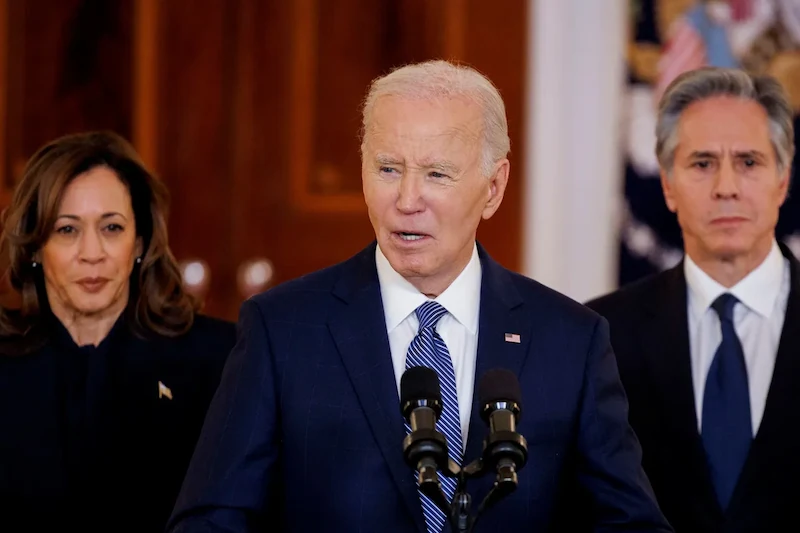


In an unprecedented move that further deepens the political divide in Washington, former U.S. President Donald Trump has revoked the security clearances of several prominent Democratic leaders and critics. Among those stripped of their access to classified information are former Vice President Kamala Harris, former Secretary of State Hillary Clinton, and former Secretary of State Antony Blinken, as well as other high-profile figures like former President Joe Biden, former Representative Liz Cheney, and former White House national security adviser Jake Sullivan.
Trump's late Friday memorandum, issued from his Bedminster, New Jersey golf property, cited that it was no longer in the national interest for these individuals to have access to classified information. This move marks a significant escalation in Trump's ongoing efforts to settle scores with his political adversaries and critics, with some viewing it as an act of retribution for past opposition.
Notably, Trump's actions also extended to individuals outside the political realm, including national security lawyer Mark Zaid and former Republican lawmaker Adam Kinzinger. This aggressive targeting of individuals who have spoken out against his administration underscores Trump's determination to limit access to sensitive information among those who have openly criticized him.
Furthermore, revoking security clearances for former presidents - a traditional courtesy allowing them to advise current administrations on matters of national security - has been a notable tactic employed by both Trump and his predecessors. The decision to deny Biden access to U.S. intelligence echoes the reciprocal action taken by Biden when he revoked Trump's clearance in 2021, marking a departure from the long-standing tradition of providing former presidents with intelligence briefings.
As the political landscape remains fraught with tension and animosity, Trump's latest actions serve as a stark reminder of the enduring divisions in American politics and the ongoing battle for power and influence within the highest echelons of government.