


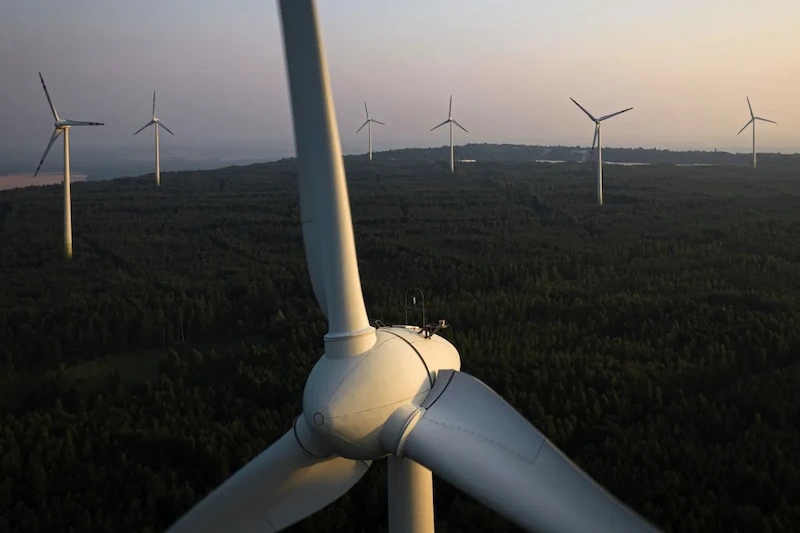


In a milestone event over the weekend, Poland faced an unprecedented plunge in electricity prices, hitting record lows due to a surge in renewable energy supply. The country witnessed prices for day-ahead contracts on March 22 plummeting to an astonishing minus 429 zloty per megawatt-hour during peak production from solar panels and wind farms. This new low broke the previous negative price records set last summer, underscoring the growing dominance of intermittent renewables in the energy mix.
The remarkable growth in small-scale solar installations, both at residential and commercial levels, has significantly bolstered Poland's photovoltaic capacity, which now stands at nearly 22 gigawatts. Combined with 11 gigawatts of wind power capacity, renewable energy sources have established themselves as formidable contenders against traditional coal plants that are essential for supplying electricity during non-generating periods.
However, the rapid expansion of renewables has posed challenges for grid stability and management. To address the issue of oversupply, the state grid operator, Polskie Sieci Elektroenergetyczne SA, was compelled to implement temporary production halts at solar and wind installations exceeding 2 gigawatts on Sunday. Such measures have been increasingly utilized throughout 2024, particularly during the summer months to prevent grid instability.
Notably, solar and wind farms collectively accounted for 25% of Poland's total electricity generation last year, a significant increase from the 21% recorded in 2023. In response to the evolving energy landscape, the government recently approved draft regulations to relax constraints on constructing onshore wind farms, aiming to enhance the diversity of energy sources before the planned phase-out of coal-fired power plants over the next decade. Additionally, initiatives such as subsidizing the purchase of power storage units by households have been initiated to promote grid flexibility and resilience in coping with the intermittent nature of renewable energy sources.
As Poland navigates the complex balancing act between traditional and renewable energy sources, the country finds itself at the forefront of the energy transition, grappling with the opportunities and challenges presented by the accelerating shift towards a cleaner and more sustainable energy future.