


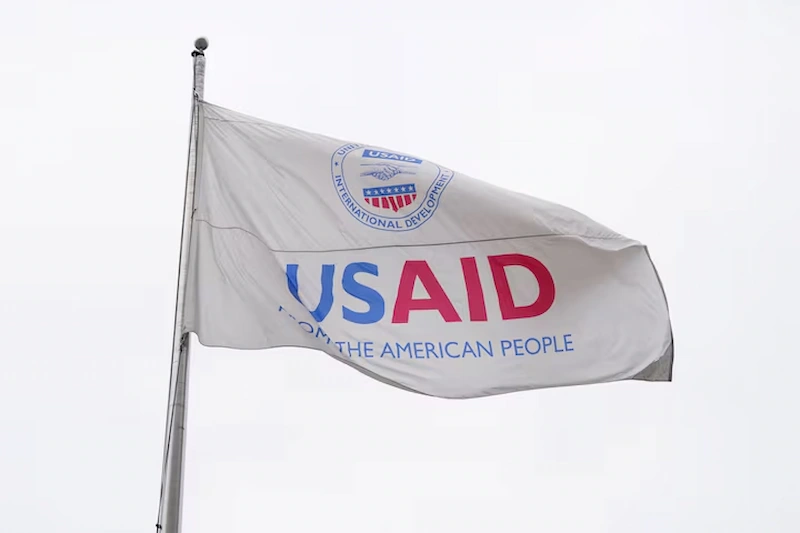


In a stark warning issued by the United Nations AIDS agency, it has been revealed that if the frozen funding from the United States is not restored or supplemented, the world may witness a catastrophic surge in new HIV infections and related deaths. Following the decision by President Donald Trump to put a hold on almost all U.S. foreign aid, concerns have grown exponentially about the future of life-saving HIV programs.
UNAIDS executive director, Winnie Byanyima, expressed grave concerns about the consequences of the funding disruption, citing the closure of clinics and the loss of crucial healthcare workers. This disruption, she explained, could potentially lead to a sharp increase in new infections, with estimates suggesting as many as 2,000 new cases every day if the situation persists.
The ramifications could be even more severe in the long term, with Byanyima projecting a chilling scenario of an additional 6.3 million AIDS-related deaths over the next four years if the funding remains frozen beyond the current 90-day pause. This prediction is particularly alarming given the fact that there were 600,000 AIDS-related deaths globally in 2023, signaling a possible ten-fold increase in mortality rates.
While the Trump administration has defended the funding freeze as part of its 'America First' policy, concerns remain high about the detrimental impact on global health efforts. The U.S. Secretary of State has assured that waivers have been provided for life-saving services, but the larger implications of the frozen funding are causing widespread distress within the global health community.
With the U.S. providing substantial funding to UNAIDS, the potential loss of $50 million in core funding represents a significant blow, amounting to 35% of the agency's budget. As the fate of critical HIV/AIDS programs hangs in the balance, the world waits anxiously for a resolution to avoid what could be a catastrophic setback in the fight against the epidemic.