


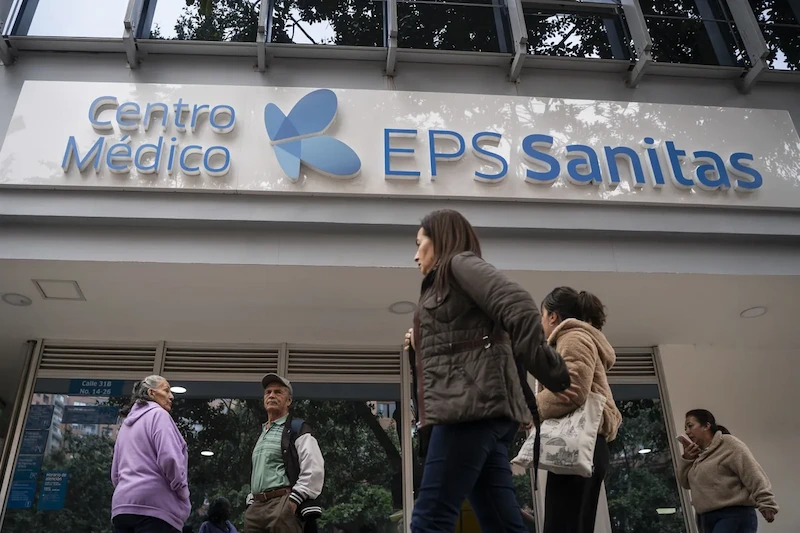


The situation in Colombia's healthcare system has escalated to a critical point, with patients struggling to access essential medical services and medications, according to a report by the government's independent human rights watchdog agency. Reports from local media outlets depict long queues of individuals outside distribution centers in major cities like Bogotá and Cali, only to leave empty-handed.
Industry and health groups have pointed out that delayed government payments and insufficient funding have plunged companies into debt, leading them to halt services. President Gustavo Petro has countered these claims, suggesting that drug dispensaries are deliberately stockpiling medication to shift blame onto the government and undermine its efforts to revamp the health system.
The Defensoria del Pueblo revealed a staggering 75% increase in complaints about the healthcare system over the past two years. Iris Marin, the agency's head, emphasized in a video statement that excuses based on financial constraints cannot override human rights considerations.
Earlier this year, Colombia's constitutional court ruled that the current formula determining state transfers to insurers (UPC) is inadequate for 2024 and 2025, mandating corrective actions by the government. The outstanding debt to drug distributors, exceeding 4 trillion pesos, has led to inventory levels plummeting below historical norms, as indicated by the retail association Fenalco.
Despite setbacks in passing significant social reforms, including labor and healthcare system revisions, President Petro is now advocating for a referendum to decide on proposals that were rejected by lawmakers. Although the referendum itself requires congressional approval, it is viewed as a strategy to garner greater support for the leftist government ahead of the upcoming presidential elections next year.