


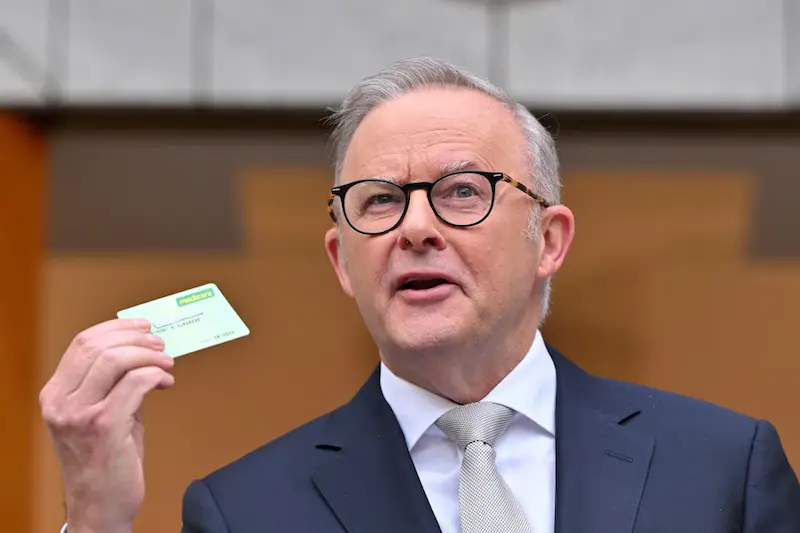


In the lead-up to Australia's national election on May 3, Prime Minister Anthony Albanese has set the stage for a tightly contested campaign focused on the pressing issue of cost-of-living pressures. With recent opinion polls showing the Labor party, led by Albanese, neck-and-neck with the opposition Liberal-National coalition, the upcoming election holds significant implications for the country's future trajectory.
Albanese, who has put forth a series of measures aimed at alleviating financial burdens on families and businesses, underscored the importance of addressing the rising cost of living in his campaign launch. As the campaign heats up, Albanese has positioned his government as focused on supporting Australians under financial strain while simultaneously investing in future prosperity.
The election campaign is expected to revolve around contrasting visions put forward by Albanese and Liberal leader Peter Dutton. Albanese has emphasized his government's efforts to bolster essential services and address cost-of-living challenges, while Dutton has outlined plans to tackle issues such as housing affordability, energy costs, and economic competitiveness.
Key campaign promises include tax cuts, healthcare funding increases, and strategies to reduce energy prices. Dutton's proposal to cut permanent migration by 25% and implement measures to enhance housing affordability reflect the coalition's approach to addressing pressing economic concerns facing Australians.
The candidates' differing stances on international relations, particularly in relation to the United States, may also influence voter perceptions. Albanese highlighted his administration's ongoing engagement with the Trump administration on trade issues, contrasting it with what he characterizes as potentially protectionist policies advocated by Dutton.
As the election campaign unfolds over the next five weeks, Australian voters will weigh competing visions for the country's economic future, social welfare, and international relationships. The outcome of the election could shape Australia's trajectory on key issues such as cost of living, healthcare, international trade, and energy policy for years to come.