


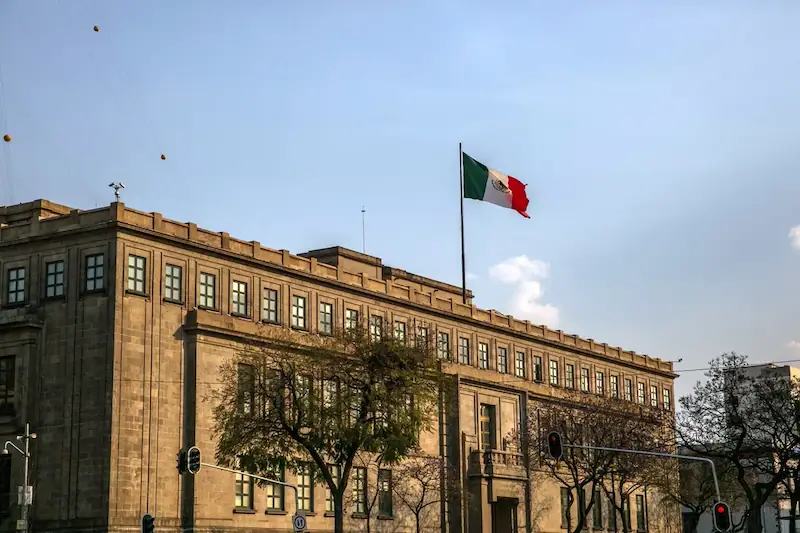


In what marks a significant shift in Mexico's political landscape, Mexican voters are set to elect judges for the first time in the country's history. The campaign, commencing this Sunday, will see over 4,000 candidates vying for 881 seats in the Supreme Court and federal judiciary. Unlike previous methods of nomination, where judges were appointed by the president and approved by the senate, this novel approach allows voters to directly influence the judicial branch's composition.
This groundbreaking election comes in light of growing concerns over corruption and nepotism within the judiciary. With a push to foster transparency and accountability, President Claudia Sheinbaum has emphasized the necessity of the judicial reform to ensure equal access to justice for all citizens. The new electoral process mandates candidates to self-finance their campaigns, prohibiting traditional forms of advertising like radio, television, and newspaper ads. Instead, candidates turn to social media and innovative outreach strategies to connect with voters.
While critics argue that the election may serve as a tool for political influence, proponents view it as a much-needed step towards a more accountable and independent judiciary. The unique challenge of familiarizing voters with the often obscure role of judges has prompted candidates to engage in grassroots campaigning and awareness initiatives. With a strict cap on campaign spending for Supreme Court seats, the race for judicial positions has become an exercise in creativity and strategic communication.
As Mexico embarks on this historic electoral journey, the electorate faces the daunting task of navigating through a dizzying array of candidates in a short span of two months. The color-coded ballots on election day - purple for Supreme Court, yellow for district judges, turquoise for disciplinary court - add an additional layer of complexity to the process. While there are concerns about low voter turnout and potential political influence, there is hope for a more transparent and inclusive judiciary that reflects the diverse needs of Mexican society.
As candidates strive to break through the noise and establish their credibility, the outcome of this election will not only shape the composition of the judiciary but also set a precedent for future electoral processes. With a focus on merit, experience, and specialization, the shift towards popularly-elected judges signals a new era in Mexico's legal system. As the country navigates through this uncharted territory, the success of this electoral experiment lies in the hands of its citizens and their commitment to upholding the principles of justice and fairness.