


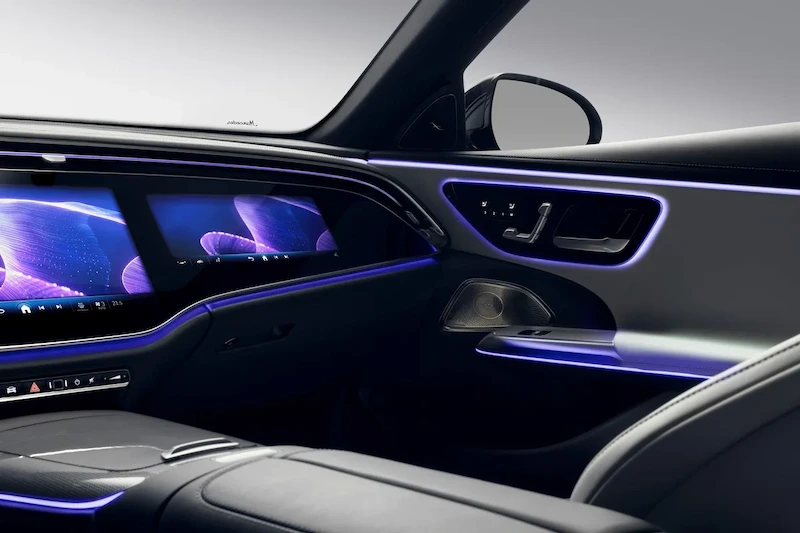


Luxury SUVs are taking on a new role as personalized wellness retreats on wheels, with brands like Lincoln, Mercedes-Benz, BMW, and Genesis incorporating relaxation and rejuvenation programs into their vehicles. The Lincoln Nautilus, in particular, stands out with its "Rejuvenate" program, offering a multisensory stress-reduction experience that combines massage seats, ambient lighting, HD screens, and even integrated scent atomizers for immersive relaxation. Other automakers offer similar wellness initiatives, aiming to enhance overall well-being for drivers and passengers.
While there is no concrete data on the frequency of use of these wellness features, anecdotal evidence suggests that drivers engage with them during stationary moments, such as waiting for appointments or picking up children from school. According to industry experts, these programs may be seen as a delusion by some, but they reflect the growing trend of consumer interest in wellness experiences across various aspects of life.
The push towards wellness in luxury automobiles aligns with the expansion of the wellness industry in the US, particularly appealing to Millennials and Gen Z consumers. The customization options offered by these programs cater to the consumer desire for personalization in all aspects of life. Research indicates that in-car relaxation experiences can effectively reduce stress markers, providing potential benefits for occupants.
Despite skepticism from some experts, luxury carmakers view these wellness programs as a showcase of innovation and customer-centric design, even for customers who may not use them daily. As self-driving technology advances, these features could become more relevant in creating a soothing driving experience. However, there is a call for carmakers to prioritize fundamental comforts over extravagant wellness amenities to ensure drivers find a sense of peace and comfort in their vehicles.