


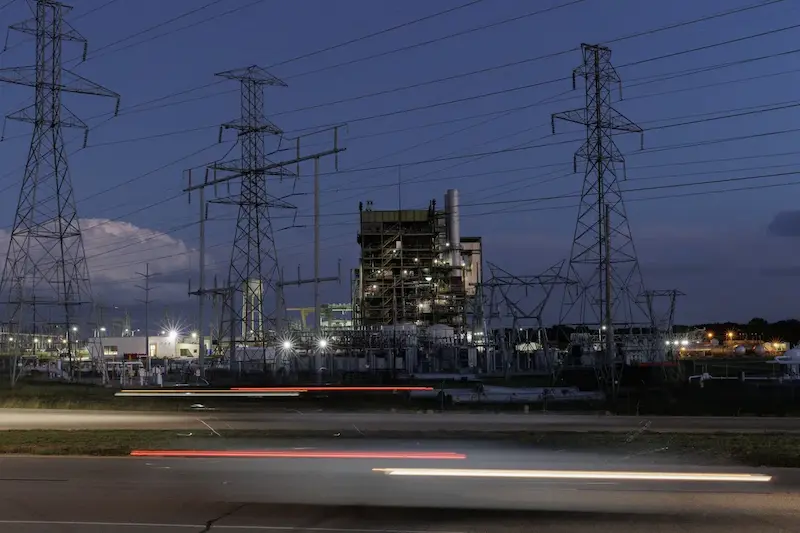


The Texas Energy Fund, a $5 billion initiative aimed at funding new natural gas-burning power plants, is facing significant setbacks as several proposed projects are dropping out of the program. The projects that have withdrawn could have collectively generated 4.6 gigawatts of electricity, sufficient for approximately a million homes in Texas. Developers cited reasons such as cost uncertainties, equipment procurement challenges, and the program's stringent deadlines and terms for their decision to exit the fund.
Originally conceived as a means to support gas-plant development in response to declining wholesale electricity prices due to the rise of inexpensive solar and wind power, the fund's struggles highlight the difficulties in the current energy landscape. With profit margins shrinking in the face of low or negative power prices, the feasibility of constructing new gas plants becomes increasingly uncertain.
The unexpected departure of key projects from the Texas Energy Fund has cast a shadow on the state's efforts to address its growing electricity demand, driven by a burgeoning population and the rapid expansion of data centers requiring significant power. While the fund initially garnered interest with 72 project applications, only 17 were selected for further evaluation by regulators. However, subsequent withdrawals, including those by major companies like Constellation Energy Corp. and WattBridge Energy, have raised doubts about the program's viability.
The reluctance of developers to move forward with their projects underlines broader challenges in the energy industry, notably the debate surrounding how best to meet escalating electricity needs in the era of data center proliferation and electric vehicle adoption. Despite criticisms of the fund's focus on natural gas, Texas lawmakers are considering doubling its size, indicating continued support for gas generation as a key component of the state's energy mix.
However, the practical hurdles facing the Texas Energy Fund are significant. A scarcity of new gas-fired plant constructions in recent years has resulted in decreased turbine manufacturing capacity, leading to extended wait times for essential equipment. The wait for turbines from major manufacturers like Siemens Energy AG and GE Vernova Inc. is expected to stretch into multiple years, posing a challenge to the timely execution of gas plant projects.
As the debate over energy infrastructure and generation sources intensifies, the fate of the Texas Energy Fund serves as a microcosm of the complex, multifaceted challenges facing the energy sector in an era of rapid technological advancement and shifting market dynamics.