




In response to dwindling crude revenue and global economic uncertainties, Libya's central bank has implemented a 13% devaluation of the dinar, setting it at 5.5677 per US dollar. This move, announced on the regulator's Facebook page, aims to address the imbalance in the economy caused by high foreign exchange demand. The central bank cited the unsustainability of supporting the dinar with reserves in the face of increased FX demand.
The country's oil revenue for the first quarter of 2025 was reported at $5.2 billion, falling significantly short of the $9.8 billion in combined spending commitments of Libya's rival governments. With the challenge of covering double public expenditures and surging FX demand, the central bank raised concerns about the potential severity of the situation, particularly if oil production declines or global oil prices worsen.
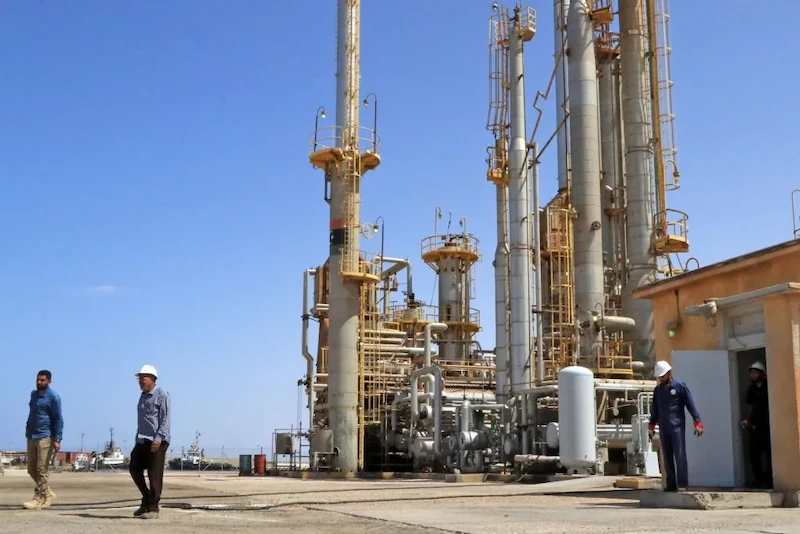
Last week, global oil prices saw a sharp decline following President Donald Trump's imposition of significant tariffs and OPEC+'s decision to substantially increase oil supply. Libya, home to Africa's largest oil reserves with a capacity to produce over 1.3 million barrels daily, has been grappling with instability since the ousting of Moammar Al-Qaddafi in 2011. The country's fragmented governance structure often leads to disruptions in the oil sector, rendering it an inconsistent global supplier.
Disruptions in oil output were experienced between August and September due to a blockade imposed by authorities in eastern Libya amidst a central bank leadership dispute with western counterparts. The involvement of the United Nations eventually facilitated a resolution. Despite challenges, Libya's oil sales in 2024 amounted to $18.6 billion, showing a decline from the previous year's figure of about $20.7 billion.