


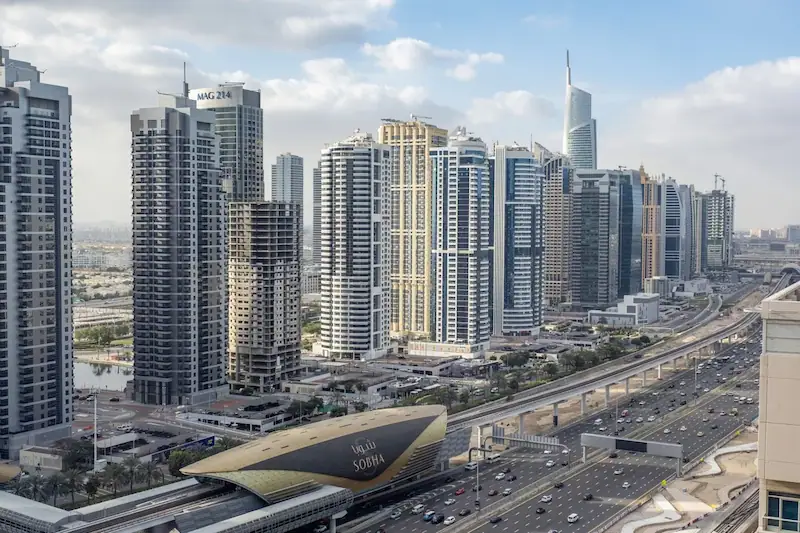


In recent years, Dubai's real estate sector has experienced a remarkable surge in prices, outpacing major cities worldwide. However, the current prosperity of the market is facing significant challenges as US President Donald Trump's tariffs shake global markets, creating a looming threat to the emirate's property market.
The outlook for Gulf economies heavily dependent on oil has become increasingly uncertain, with recent declines in crude oil prices further exacerbated by the trade tensions instigated by the tariffs. The decision by OPEC+ to increase oil supply has added to the economic strain in the region, impacting investor sentiment and potentially deterring foreign buyers who have been instrumental in driving the Dubai real estate boom.
Although Dubai property prices had already begun to stabilize in recent months, the risks of a more substantial slowdown in the market are intensifying, triggered by a potential regional economic slowdown and diminishing job prospects for expatriates -- a key demographic supporting the property market. The vulnerability of Dubai's real estate sector to global market downturns is further exacerbated by high levels of international investment.
The intertwined fate of Dubai's property market and the oil industry has historical precedence, with previous dips in oil prices leading to declines in property values. The current geopolitical landscape, exacerbated by the tariffs and oil market fluctuations, poses critical challenges for Dubai's property sector, indicating a potential shift in market dynamics.
While some developers remain optimistic about current sales, the wider impact of the geopolitical uncertainties on Dubai's economy and job market could pose long-term challenges. The interconnectedness of Dubai's property market with neighboring Saudi Arabia, particularly in terms of business activity and construction projects, further underscores the potential ripple effects of economic downturns in the region.
Despite the potential headwinds facing Dubai's property market, factors like the emirate's handling of the pandemic, liberal visa policies, and favorable exchange rates for foreign buyers could provide some resilience. Continued investments and infrastructure projects in Dubai may act as a buffer against the market volatility, but the ongoing uncertainties in global trade and oil markets suggest a turbulent road ahead for the emirate’s real estate sector.
In conclusion, the current geopolitical landscape -- dominated by Trump's tariffs and oil price volatility -- presents a complex set of challenges for Dubai's property market. While certain factors may help mitigate the impact in the short term, the long-term resilience of the market will depend on navigating the macroeconomic uncertainties and evolving global dynamics in the coming years.