


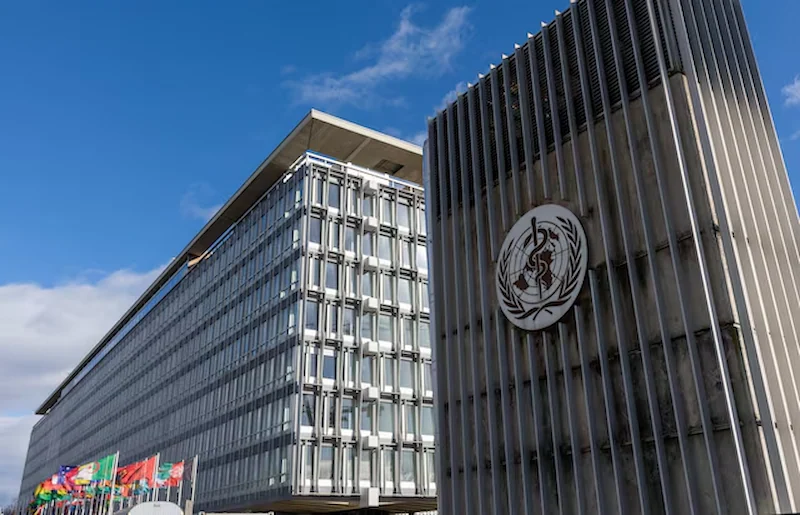


In a groundbreaking development, global health leaders have successfully reached a landmark agreement aimed at learning from the devastating impacts of COVID-19 and fortifying the world against future pandemics. The agreement, achieved after more than three years of arduous negotiations, is being heralded as a significant stride towards global health security.
Significant sticking points during the deliberations revolved around equitable distribution of drugs and vaccines between affluent nations and those with limited resources. The newly formed legally binding pact is considered a triumph for the World Health Organization (WHO) amidst challenges posed by funding cuts and geopolitical pressures.
Notably, the United States, the largest financial contributor to the WHO, did not partake in the discussions due to President Donald Trump's decision to initiate a withdrawal process last year. Despite this, the agreement stands as a testament to international solidarity and commitment to multilateral cooperation.
Key provisions of the pact address structural disparities in public health, emphasizing the need for global accessibility to pandemic-related drugs, therapeutics, and vaccines. Nations are called upon to establish policies that ensure fair distribution and availability of essential health tools during crises, marking a significant departure from previous international health agreements.
The agreement grants the WHO the authority to monitor global supply chains of medical supplies and promotes local production of vaccines and treatments, enhancing preparedness and response capabilities during pandemics. A crucial aspect of the deal is article 11, focusing on technology transfer to assist lower-income countries in manufacturing lifesaving medical products locally.
Despite notable achievements, challenges remain, particularly related to an annex on Pathogen Access and Benefit Sharing, which necessitates further negotiations before final adoption. The agreement is slated to be presented at the World Health Assembly in May, where member states will have the opportunity to ratify the deal and strengthen their commitment to pandemic preparedness.
Health experts view this agreement as a pivotal moment to advocate for increased government investment in health security and emergency response. Moving forward, sustained efforts are essential to prevent future global health crises and ensure a more resilient and equitable healthcare system worldwide.