


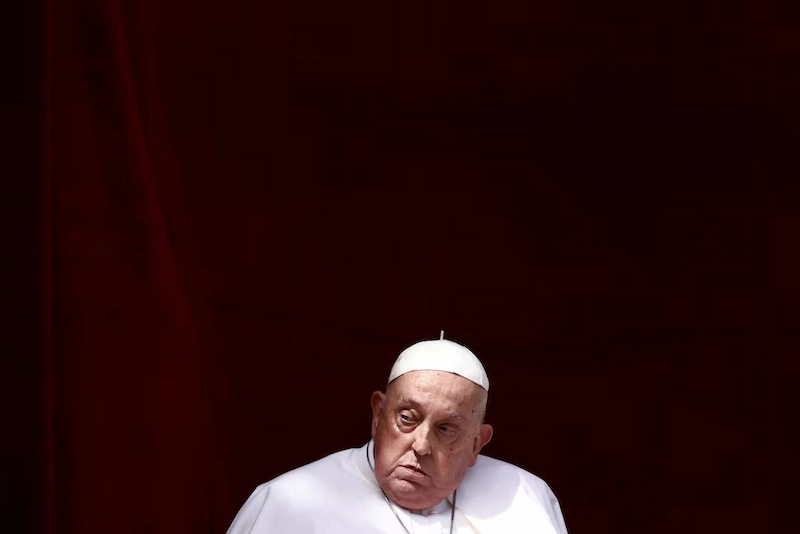


In a moment that shocked the world, Pope Francis, the first Latin American pontiff, passed away on Monday following a stroke and cardiac arrest. At 88 years old, his death marked the end of a transformative and often tumultuous tenure as the leader of the Roman Catholic Church.
Having battled with health issues including double pneumonia earlier in the year, Pope Francis made a public appearance on Easter Sunday, giving hope of a steady recovery. However, the Vatican announced his sudden passing, with Cardinal Kevin Farrell delivering the somber news on the Vatican's TV channel.
The official cause of death, as detailed in the Vatican-issued death certificate, cited a stroke and irreversible cardiovascular arrest, revealing that the pope had slipped into a coma before his passing. Alongside his recent health struggles, the document mentioned his history of high blood pressure and diabetes.
Tributes from across the globe poured in for the beloved pontiff, with many celebrating his humility and dedication to the marginalized. His native Argentina declared a seven-day mourning period in honor of the "pope of the poor." The Archbishop of Buenos Aires remembered him as a beacon of compassion and justice.
Despite his health battles, Pope Francis continued to engage with world leaders, emphasizing peace and unity. His efforts to reform the Church, increase transparency, and address the issues of sexual abuse garnered both praise and critique during his papacy.
As the world mourns the loss of a spiritual leader, preparations are underway for the conclave to elect a new pope. With no clear frontrunner, the future of the Catholic Church hangs in the balance as it navigates the legacy of Pope Francis and the challenges facing the global community.
Through his progressive policies, advocacy for the marginalized, and commitment to interfaith dialogue, Pope Francis leaves behind a complex and multifaceted legacy that will shape the future of the Catholic Church for years to come.