


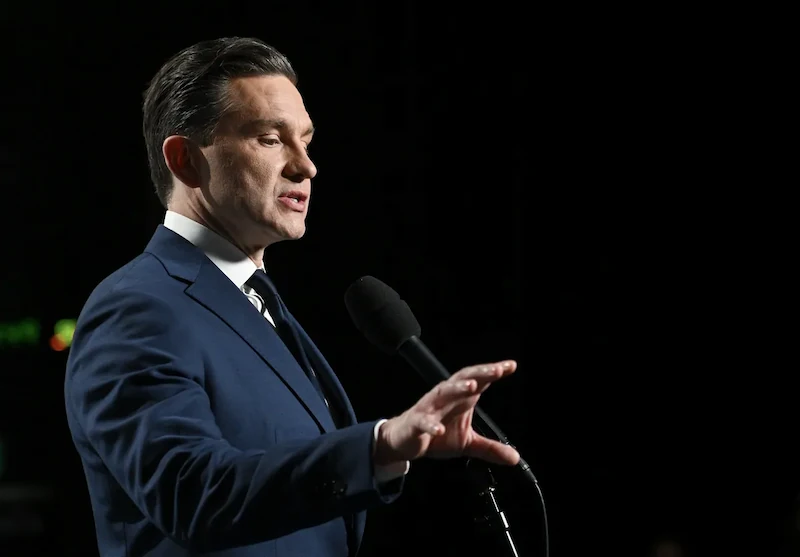


In a bid to revamp Canada's economic landscape, the Conservative Party has unveiled a bold election platform centered on tax cuts, deregulation, and energy sector stimulation. Led by Pierre Poilievre, the party vows to steer the country towards smaller deficits than the current Liberals, aiming to trim the federal government’s shortfall to C$31.4 billion this year and totaling C$100.6 billion over the next four years.
Central to the Conservative plan are substantial tax cuts that could potentially offset revenue losses and catalyze economic growth. Key proposals include deferring the capital gains tax on investments in Canadian companies for two years, eliminating the capital gains tax hike introduced by the previous government, and abolishing the government sales tax on new homes under C$1.3 million. Moreover, a reduction in the lowest personal income tax rate, starting at 2.25 percentage points and reaching 12.75% by 2028, is slated to invigorate individual spending power.
The party anticipates these tax reforms, along with deregulatory measures in the oil and gas sector, to yield revenue gains of C$27.4 billion in the next four years. By fostering a business-friendly environment, the Conservatives project a surge in economic activity that will outweigh the initial costs of their proposed fiscal policies.
While the Conservative approach leans towards boosting private sector growth, the Liberals under PM Mark Carney advocate for increased government intervention through infrastructure investments and residential support. The rivalry between the two parties underscores a fundamental divergence in economic philosophies, with the Conservatives favoring a bottom-up approach and the Liberals championing a top-down strategy.
However, critiques have emerged regarding the sustainability of the Conservative plan, with some experts questioning the feasibility of relying on projected growth to deflate deficits. The Liberals have labeled the Conservative figures as unrealistic, highlighting the severity of the current economic crisis and the need for more pragmatic solutions.
As the election race heats up, the contrasting visions laid out by the major parties illuminate the decisive choices ahead for Canadian voters. The economic direction chosen in the upcoming polls may shape the country's financial trajectory for years to come.