


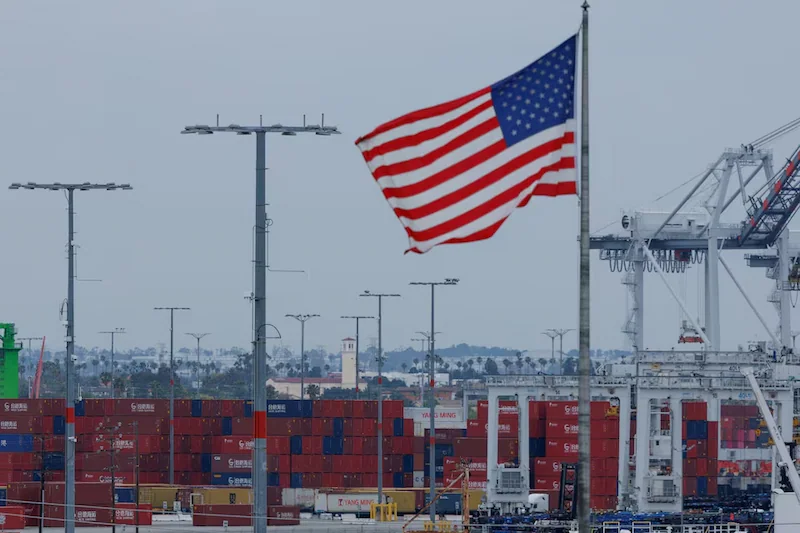


In a significant development, U.S. Treasury Secretary Scott Bessent and chief trade negotiator Jamieson Greer are scheduled to meet with China's economic tsar He Lifeng in Switzerland this weekend. This meeting holds the potential to pave the way for resolving the ongoing trade war that has been disrupting the global economy.
The news of the planned Geneva meeting, which was first announced by Washington, has already had a positive impact on equity markets, with U.S. equity index futures rising and stock markets in China and Hong Kong following suit during Asian trading.
The escalation of tensions between the two largest economies has led to a sharp increase in duties on goods imports, creating what Bessent termed as a trade embargo. This situation, coupled with President Donald Trump’s recent imposition of sweeping tariffs on multiple countries, has resulted in supply chain disruptions, financial market instability, and concerns about a global economic downturn.
The upcoming talks in Switzerland, a neutral ground for diplomatic discussions, are anticipated to focus on reducing the broad tariffs and addressing specific product duties, export controls, and the removal of de minimis exemptions on low-value imports. Sources familiar with the planning indicated that the aim of the negotiations is de-escalation to lay the groundwork for future progress.
China's agreement to engage in talks marks a significant shift in its approach, as it has previously insisted on the withdrawal of U.S. tariffs before entering into negotiations. The move underscores the high stakes for China's economy, which is already feeling the impact of the tariffs on its manufacturing sector.
Amidst the trade tensions, both the U.S. and China have been engaging with various trading partners to negotiate agreements and avoid further trade disruptions. In the midst of mixed signals and uncertainty surrounding the talks, both sides are striving to find common ground to address the trade imbalances and foster fair trade practices.
As the world watches these crucial discussions unfold, the outcomes of the meetings in Switzerland could chart a new course for U.S.-China relations and have far-reaching implications for the global economic landscape.