


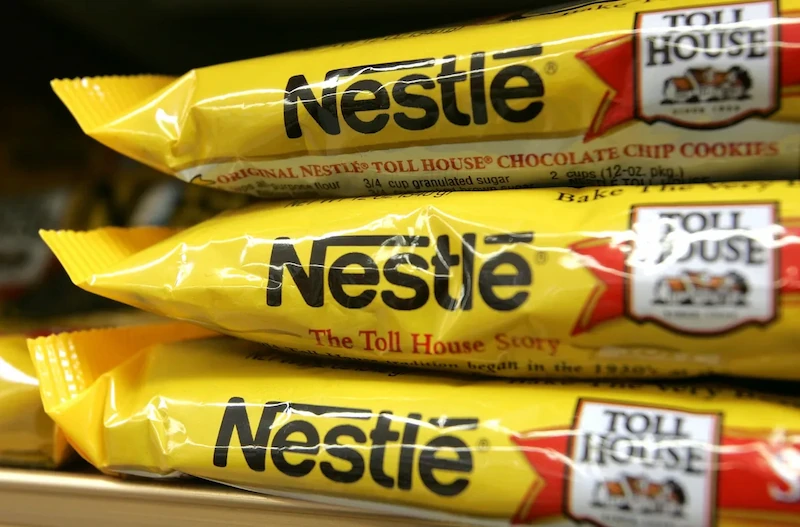


In response to increasing commodity costs, Nestle USA is set to raise prices for some of its chocolate products, including Toll House morsels, baking cocoa, and fudge kits starting June 23. The decision comes after Nestle asked some of its commodity suppliers to reduce prices, provide rebates, and even cancel supply contracts at the end of last year, as confirmed by sources familiar with the matter.
This move reflects the ongoing struggle faced by food companies such as Nestle and its competitors against surging cocoa and coffee costs, leading to necessary price hikes to protect margins. Despite overall grocery inflation stabilizing, tight supply conditions in cocoa futures have persisted since last year, prompting these adjustments that ultimately challenge consumers' willingness to pay higher prices for their favorite snacks.
Nestle's efforts to offset escalating commodity costs were emphasized in a memo, highlighting the company's commitment to navigating the challenging macroeconomic environment while considering consumer response in a competitive market. These price increases are part of Nestle's broader aim to deliver cost savings amounting to CHF700 million by 2025, primarily through procurement initiatives.
The rise in cocoa costs over the past two years, coupled with coffee price fluctuations and recent record highs in cocoa and Arabica coffee futures, have contributed to the need for these adjustments. While cocoa prices have recently softened, they remain significantly higher than historical levels due to adverse weather conditions and crop-related issues in key producing regions.
For Nestle, the forthcoming price changes will be communicated to consumers at a later date, with retailers having the final say on the specific adjustments based on various factors including market competition. Despite the challenges, Nestle remains focused on strategic cost management and maintaining its position in the market, even as consumer demand for affordable alternatives continues to impact market dynamics.
In a broader context, economic uncertainties and evolving tariff policies add further complexity to the pricing landscape, making it crucial for companies like Nestle to strike a balance between cost management and consumer affordability. As Nestle navigates these challenges in the North American market, efforts to address consumer concerns around pricing while maintaining product quality will be crucial in retaining market share and ensuring sustained growth in the competitive food industry landscape.