


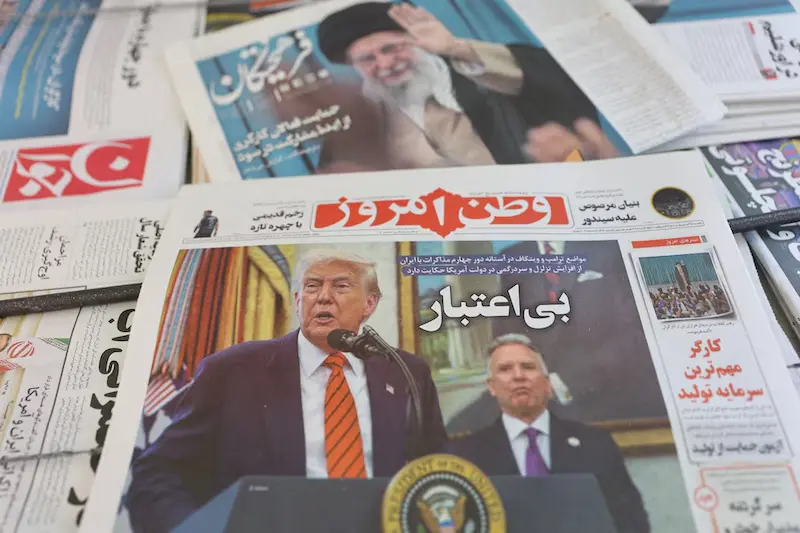


In an ongoing effort to address the longstanding nuclear dispute, negotiations between Iranian and U.S. officials in Oman have hit a snag as both sides cling firmly to their respective red lines. Despite a mutual preference for diplomatic resolutions, key differences remain that could impede progress towards a new nuclear agreement and prevent potential military actions.
The discussions in Muscat between Foreign Minister Abbas Araqchi and Trump's Middle East envoy, Steve Witkoff, facilitated by Omani mediators, have proven to be challenging. While Araqchi emphasized the necessity of Iran's uranium enrichment continuing, noting its non-negotiable nature, Witkoff reiterated Washington's firm stance on complete dismantling of Iran's nuclear facilities, signaling a major obstacle in the talks.
Following the recent talks, both sides acknowledged the necessity for further negotiation, with complexities requiring careful maneuvering to reach a viable agreement. A senior U.S. official expressed optimism about the progress made and anticipated future meetings, indicating a need for diplomacy to prevail.
Amidst these diplomatic efforts, President Donald Trump's Middle East visit looms large on the horizon, further underscoring the stakes involved in resolving the nuclear impasse. With Iran's insistence on certain red lines, including no compromise on uranium enrichment and the preservation of key aspects of its nuclear program, the path to a comprehensive agreement remains challenging yet essential.
As Tehran balances its willingness to negotiate curbs on its nuclear activities with demands for sanctions relief, the intricacies of the negotiations come to the fore. The need for mutual respect for red lines and a nuanced understanding of each party's priorities will be crucial in advancing the talks towards a constructive resolution.
Despite the public posturing and tough rhetoric from both sides, behind closed doors, the reality of the negotiation process brings forth a more nuanced picture. As the parties navigate through the complexities of dismantlement demands, ballistic missile concerns, and the need for durable guarantees, the road towards a mutually acceptable nuclear agreement remains fraught with challenges and opportunities for breakthrough.