


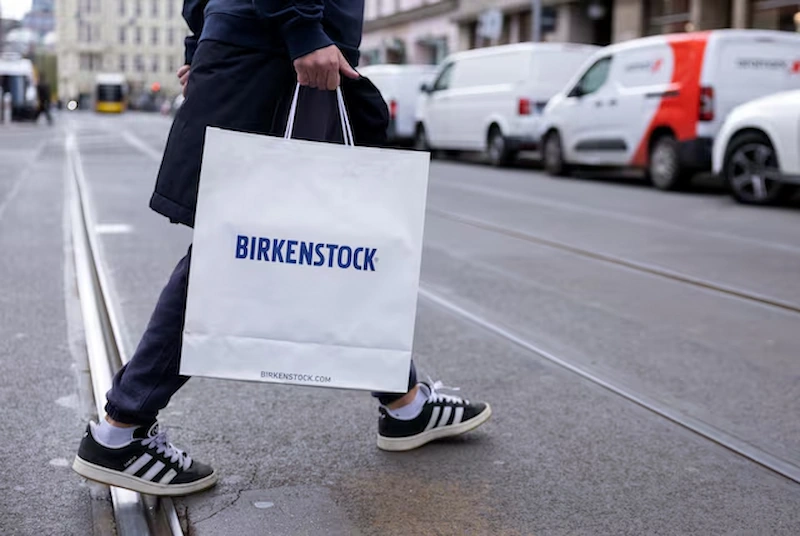


Amid the ongoing trade tensions and escalating tariffs imposed by the U.S., global retailers like Birkenstock and Pandora are strategically adjusting prices across markets to mitigate the impact on their businesses. By spreading the cost burden of tariffs, these retailers aim to prevent significant price hikes in the U.S., which could potentially dampen sales.
The approach of implementing slight price increases globally has been proposed by Birkenstock's CFO, who suggested that a modest adjustment could offset the impact of U.S. tariffs. Similarly, Pandora's CEO is contemplating whether to raise prices universally or predominantly in the U.S., its largest market.
The strategy of distributing tariffs across various markets is a strategic move to avoid backlash from U.S. authorities. This tactic enables retailers to demonstrate that price increases are not solely due to U.S. tariffs but are part of a broader pricing adjustment strategy.
Professor Jean-Pierre Dubé from the University of Chicago Booth School of Business highlighted the delicate balance that retailers must maintain in adjusting prices to offset tariff impacts without attracting undue scrutiny. By leveraging their global presence, retailers can strategically adjust prices on specific products or in less sensitive markets to subsidize price increases elsewhere.
The potential repercussions of this approach extend beyond individual companies, impacting inflation rates in regions where consumer prices have only recently stabilized. The European Union and Britain, in particular, are keeping a close eye on the situation as retailers navigate the complexities of tariff-driven price adjustments.
While some multinational retailers have indicated a commitment to maintaining prices outside the U.S., uncertainties around inflation persist. Economists warn of the potential for firms to exploit tariffs as an opportunity to raise prices beyond what is justified by rising costs, echoing concerns of a similar scenario during the pandemic-induced inflation surge observed in 2021-2022.
As consumers in both the U.S. and the euro zone brace for heightened inflation expectations, the ripple effects of tariff-driven price adjustments continue to unfold. The evolving landscape underscores the intricate balance that retailers must strike in setting prices to manage the impact of tariffs without sacrificing consumer trust or market competitiveness.