


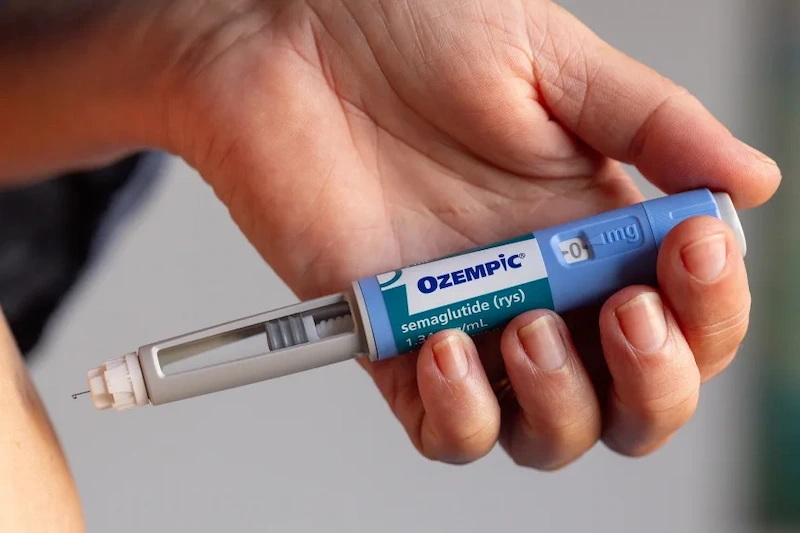


In a significant development affecting patients relying on GLP-1 drugs for weight loss and diabetes management, a federal deadline is set to halt the sale and production of off-brand compounded products this week. This decision comes after the FDA declared an end to shortages of semaglutide and tirzepatide injections, leading to the cessation of flexibility for compounded versions. Patients who have been using these compounded GLP-1 receptor agonist medications, typically sold at a more affordable price point than brand-name products, are now facing uncertainty.
The end of the grace period for manufacturers to stop producing and selling compounded versions of tirzepatide occurred in March, and the final cutoff date for compounded semaglutide is this week. This change has left many patients like Michelle Pierce, who relies on compounded semaglutide injections for weight management and high blood sugar, feeling apprehensive. Despite the positive impacts of these medications on her health and well-being, the impending loss of access due to financial constraints is a source of concern.
Compounding pharmacies, such as Olympia Pharmaceuticals, have been supplying thousands of patients with compounded GLP-1 drugs each week. The company is navigating the transition by prioritizing the needs of patients and ensuring a smooth shift away from compounded products. However, health care providers like Dr. Jody Dushay express reservations about compounded medications due to concerns about regulation and safety.
As patients face the challenge of transitioning away from compounded products, the potential strain on the overall supply of GLP-1 drugs looms. While the FDA has declared an end to shortages of semaglutide and tirzepatide, intermittent localized supply disruptions may still occur, impacting patient access. Companies like Novo Nordisk and Eli Lilly have reiterated the availability of their brand-name products and emphasized the risks associated with unapproved knockoffs.
While improvements in the availability of GLP-1 drugs have been noted since the end of the shortage, issues with insurance coverage continue to hinder accessibility for patients. Dr. Disha Narang highlights the struggle patients face in obtaining coverage for these essential medications, despite the recognition of obesity as a chronic disease. With uncertainty surrounding insurance and access to medication, patients like Pierce are preparing for potential fallout and seeking ways to navigate the changing landscape of GLP-1 drug availability.