


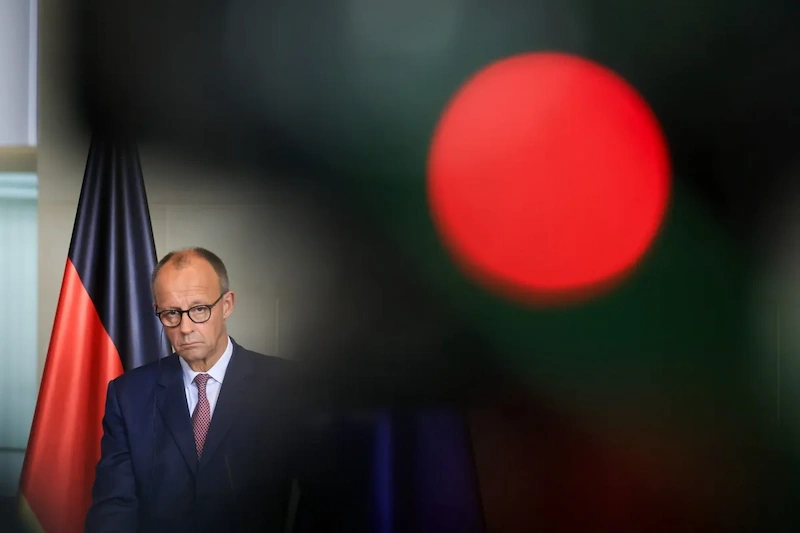


In a bold move to revitalize the struggling economy, Germany’s newly formed ruling coalition has announced a comprehensive set of measures aimed at kickstarting growth and boosting investor confidence. Led by Chancellor Friedrich Merz and Vice Chancellor Lars Klingbeil, the coalition of the CDU/CSU bloc and the Social Democrats is determined to enact significant legislation before the summer break in mid-July.
The key components of the economic stimulus plan include initiatives to lower energy costs for industrial companies and provide tax incentives for firms investing in Germany. Additionally, the coalition plans to streamline approvals for green energy projects like heat pumps, hydrogen initiatives, and wind turbines, while also scrapping the controversial gas storage levy to reduce power expenses.
Vice Chancellor Klingbeil emphasized the need to shift the economic sentiment positively, signaling to investors that Germany remains an attractive business destination. The government’s commitment to expediting approval processes for green initiatives reflects its dedication to advancing sustainability and combating climate change.
On the immigration front, the coalition unveiled stricter policies that reflect a shift towards tighter controls on migration. The cabinet’s decision to abolish the three-year residency requirement for citizenship eligibility for well-integrated migrants underscores the government’s resolve to enhance integration measures. Additionally, the bill restricting family reunification for refugees with restricted protection status aligns with efforts to manage migration inflows effectively.
In a nuanced approach to foreign affairs, the coalition deliberated on potential arms export restrictions to Israel amidst the recent escalation of military activities in the Gaza strip. While Chancellor Merz hinted at a more critical stance towards Israel, the government clarified that any decisions would be thoroughly considered before implementation.
The evolving political landscape, with the rise of the far-right Alternative for Germany party, has exerted pressure on the conservative bloc to address immigration concerns while maintaining economic stability. The government’s proactive stance and multi-faceted approach demonstrate a commitment to steering Germany through economic challenges and immigration complexities with resilience and determination.