


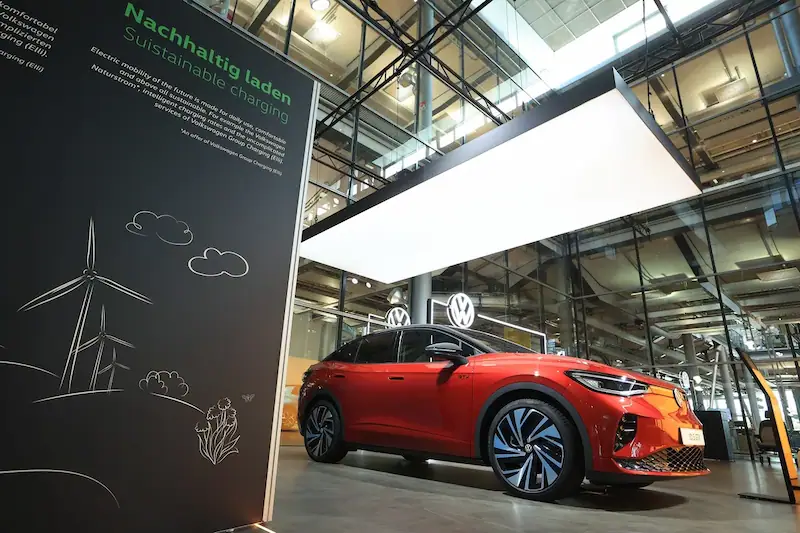


In a strategic move to invigorate the economy, German Finance Minister Lars Klingbeil is spearheading a series of tax breaks aimed at incentivizing corporate investment in the country. The proposed measures, outlined in a draft law, include provisions such as a significant deduction of 75% for companies purchasing electric cars, intended to not only promote sustainability but also stimulate business spending.
The draft law, currently in circulation among various ministries and pending parliamentary approval, further outlines initiatives to enhance business investments by introducing more generous tax deductions. As part of this plan, the corporate tax rate is slated to decrease from 15% to 10% once the initial measure reaches its conclusion.
Chancellor Friedrich Merz, who assumed office less than a month ago, has made commitments to promptly implement strategies to revive economic growth. With a recent downturn in output and predictions of continued stagnation for the upcoming year, plans for infrastructure and defense investments in 2026 offer a beacon of hope for revitalizing the economy.
The proposed tax incentives reflect a broader acknowledgment of underlying issues that have dampened Germany's appeal as a business hub, contributing to the country's lackluster growth. Additionally, Germany's susceptibility to global trade tensions, particularly those instigated by US President Donald Trump, due to its reliance on industrial exports, further underscores the urgency for economic reforms.
With Chancellor Merz scheduled to engage in his inaugural in-person meeting with President Trump in Washington this week, the focus on reviving economic prospects and fostering stable international relations takes center stage among Germany's top priorities.