


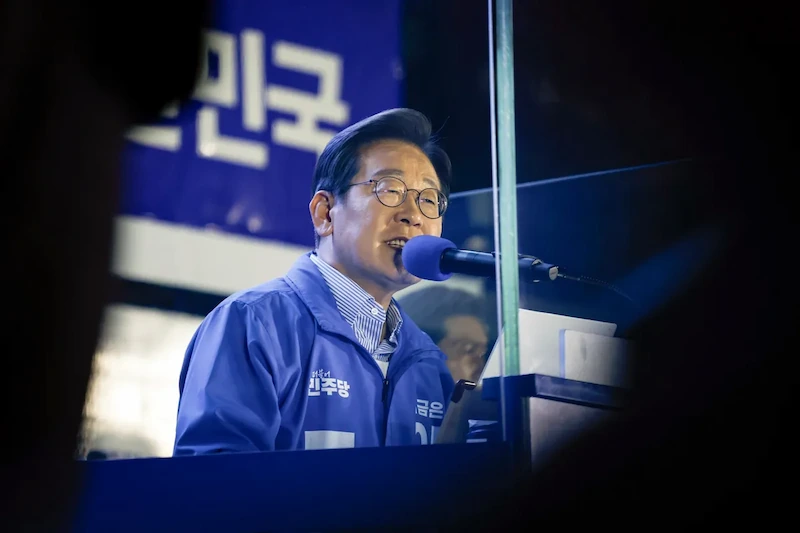


In a closely watched presidential election in South Korea, opposition candidate Lee Jae-myung emerged victorious with a pledge to prioritize improving people's livelihoods and avoiding a recurrence of the botched martial law attempt that plunged the nation into chaos. With his main rival Kim Moon-soo conceding defeat, Lee, a former labor activist, secured 48.8% of the vote, signaling a pivotal moment for South Korea following months of political turmoil.
In his victory speech, Lee emphasized his commitment to upholding democratic principles and fostering unity in a polarized society. He outlined his priorities of steering the country away from divisive politics, reviving the economy, and pursuing a balanced foreign policy approach that prioritizes stability on the Korean Peninsula.
To address the challenges ahead, including a fractured political landscape and economic vulnerabilities, Lee plans to leverage his position in parliament to implement inclusive policies that promote cooperation and reconciliation. Despite not achieving a landslide victory, Lee's win underscores a public desire for change and a fresh direction for governance.
Internationally, Lee aims to strengthen ties with the United States and Japan while pursuing a more nuanced stance towards Washington and Beijing. Trade negotiations, particularly with the US, will be a focal point as South Korea navigates the uncertainties of protectionist measures imposed by President Donald Trump.
Lee's pragmatic approach to diplomacy and trade signals a shift towards prioritizing national interests and securing the country's economic future. As he prepares to assume office, the incoming president faces the challenge of navigating a complex geopolitical landscape while ensuring the well-being of South Korean citizens in the face of global economic uncertainties.
With a mandate for change, Lee Jae-myung is set to lead South Korea into a new era defined by resilience, cooperation, and a renewed focus on addressing the pressing issues facing the nation.