


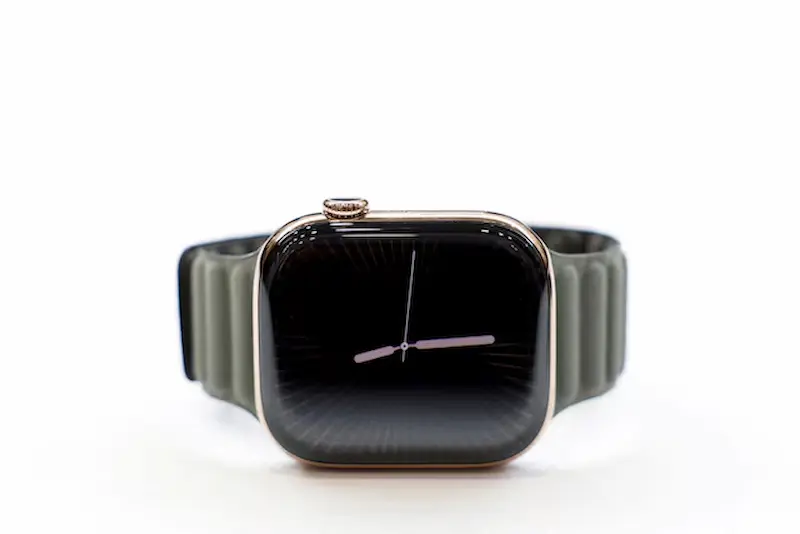


The US Food and Drug Administration has officially approved Apple's implementation of a unique hypertension detection feature that will be integrated into some models of the manufacturer's smartwatches, according to an official statement from the regulator released last Friday. This decision opens a new stage in preventive medicine, making complex health monitoring much more accessible to the general public, since there is no longer a need for the constant use of specialized medical equipment to track alarming trends. The Cupertino company presented this development as part of its traditional autumn event on September 9, where it also demonstrated an updated line of smartphones, including a thinner version of the iPhone Air, emphasizing its deep involvement in the field of digital health.
It is important to note that the new hypertension notification feature will be distributed on the Apple Watch Series 9, Series 10 and Series 11 models, as well as on the flagship Ultra 2 and Ultra 3 versions, while its launch is scheduled for the end of September, which means literally a few weeks of waiting for millions of users around the world. The geographical coverage of this innovation is expected to be truly global, as the corporation intends to make it available in one hundred and fifty countries and regions, including the United States and the European Union, which speaks to the seriousness of the company's intentions and confidence in the quality and accuracy of its own algorithms. The technological basis for this function is an optical heart sensor that is capable of analyzing specific reactions of blood vessels to each heartbeat, thus identifying the slightest deviations from the norm that may indicate a developing problem.
The fundamental difference and key advantage of this approach is its passive mode of operation, which implies constant background collection and analysis of information without the need for activation by the user, which is critical for long-term and continuous monitoring. A complex algorithm processes the collected data over thirty-day periods and only then generates a notification for the user if during this time stable and statistically significant signs indicating the presence of high blood pressure were recorded, which minimizes the number of false alarms and increases confidence in the system. At the same time, the company, with its inherent responsibility, warns that this technology, like any other screening tool, cannot guarantee 100% detection of all cases of hypertension, since medical diagnostics requires a comprehensive approach and the participation of qualified specialists.
Nevertheless, even taking this reservation into account, the potential scale of the positive impact on public health looks extremely impressive, since according to preliminary estimates by the developer, the system will be able to promptly warn about a million users around the world, which may motivate them to consult a doctor for more accurate measurements and diagnosis. This event is undoubtedly significant for the entire wearable device industry, since it brings closer the moment when technologies will become an integral part of the healthcare system.