


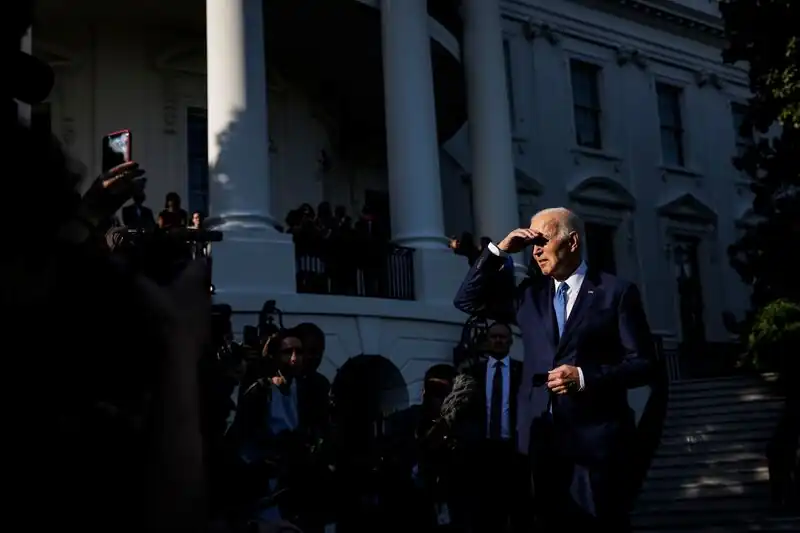


After weeks of bitter negotiations, White House and Republican officials have reached a tentative deal late Saturday to raise the US debt ceiling and prevent a default that could have sent tremors throughout the global economy. President Joe Biden and House Speaker Kevin McCarthy finalized the agreement during a 90-minute phone call and must now steer the framework to the final legislative passage despite opposition from hard-line members of both parties. McCarthy announced that he will speak with Biden again on Sunday and schedule a vote on the bill for Wednesday.
The two-year appropriations agreement, which would maintain non-defense spending at roughly current levels, is part of the deal, according to an anonymous source. It also suspends the debt limit through January 2025, after the next presidential election, but similar to this year, the precise date on which it would kick back may depend on the text of the bill. Economists warn that a historic default would send borrowing costs skyrocketing, and therefore an extension must be finalized by June 5th, according to Treasury Secretary Janet Yellen.
The agreement allows Medicaid beneficiaries to maintain their coverage without the work requirements that House Republicans demanded; however, it introduces time limits on the food assistance program known as Supplemental Nutrition Assistance Program (SNAP) for those over 54 years old, which House Republicans also pushed for. These will be phased out by 2030. The deal also creates a mechanism to force Congress to complete annual appropriations bills for 2024, with a 1% cut across the board if the bills are not passed. If the Republicans agree to the deal, it can decrease the chances of an October 1st government shutdown.
The pact is expected to calm down recent tensions in financial markets, where investors had been demanding higher yields on securities set to be repaid shortly. Rates on instruments due in early June topped 7% at one stage, and the derivatives that allow investors to insure against non-payment also showed significant concerns as prices peaked well above levels seen in a previous debt limit debate in 2011. However, the Treasury’s attempts to replenish its cash balance, which fell below $39 billion on Thursday to the lowest level since 2017, is likely to create a deluge of bill sales and suck a considerable amount of liquidity out of markets, especially at a time when the Federal Reserve has been elevating interest rates.
The reported agreement is not expected to have an outsized impact on the overall economy, according to Michael Feroli, the chief US economist at JP Morgan Chase. He suggests that this would have a modest impact on the growth and could be offset if the Fed responded with a slightly less aggressive approach in its quest to slow the economy and tame inflation with higher interest rates.
Although the tense negotiations put the country on edge, the agreement could potentially boost both the impact of Biden and McCarthy politically, provided it garners sufficient backing on Capitol Hill. Skepticism has been looming over McCarthy's speakership since he won in a 15-vote runoff early this year, given his razor-thin advantage in the House; however, a successful outcome could dispel doubts. For Biden, avoiding a default would be a significant win for a second term; however, delivering on some GOP demands also raises the risk of alienating progressives who he needs to propel his reelection campaign.
In conclusion, the White House budget director Shalanda Young, Senior adviser Steve Ricchetti, and legislative affairs director Louisa Terrell crafted a deal with political heavyweights, including Representatives Garret Graves and Patrick McHenry. While the deal represents a compromise, it won't satisfy all parties, as Biden acknowledges: "The agreement represents a compromise, which means not everyone gets what they want."