


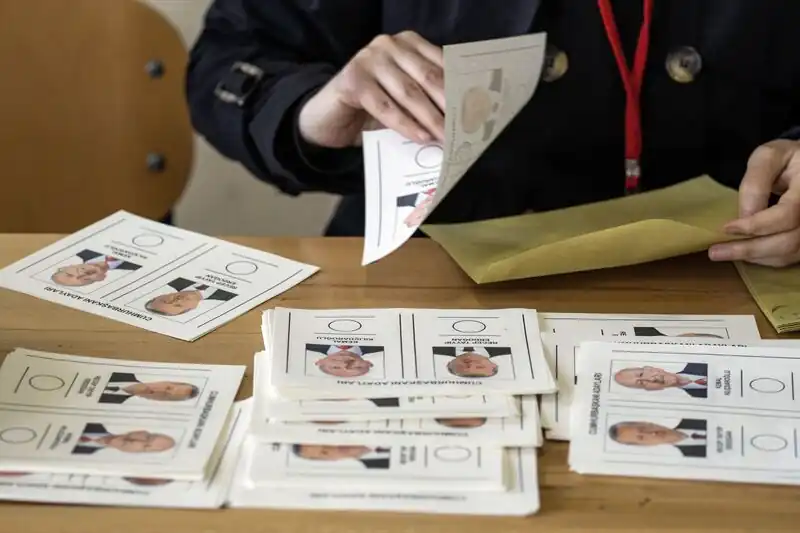


Turkey's President Recep Tayyip Erdogan appears to have won yet another electoral victory, extending his more than two-decade rule by another five years. With over 97% of the ballot boxes opened, Erdogan is leading the head-to-head runoff vote with 52.2% of the votes while his opponent, Kemal Kilicdaroglu, has 47.8%.
This election is pivotal for the Turkish economy and financial markets. During Erdogan's first decade in power, foreign investors flooded Turkey's equity and debt markets. However, in recent years, many investors withdrew their money due to Erdogan's growth-at-all-costs economic policy, which eventually led to the collapse of the Turkish lira.
Erdogan has promised that he will stick with his approach, which includes advocating for lower interest rates despite rampant inflation. In contrast, Kilicdaroglu has said he will return to a more orthodox economic policy and fight corruption.
The official voter turnout in the second round is yet to be announced. However, initial reports indicate that voter turnout was high. The first round of voting saw a record 87% voter turnout. Erdogan had won 42.5% of the votes while Kilicdaroglu garnered 30.6%.
If Erdogan's victory is confirmed, he would maintain his title as the longest-serving leader in Turkey. Meanwhile, Kilicdaroglu represents a broad opposition coalition which includes social democrats, nationalists, and former allies of Erdogan. The opposition will be carefully watching Erdogan's policies and will likely try to hold him accountable if the Turkish economy does not improve.
In conclusion, Erdogan's victory might be a bittersweet one as he will be leading Turkey during a period of economic uncertainty. The challenge facing Erdogan is to regain the trust of foreign investors and fight economic inflation.