




Saudi Arabia and the United States are jointly calling for both sides in the Sudanese conflict to extend their ceasefire agreement. The truce has been effective in bringing some relief to Khartoum and the western region of Darfur, but both countries say that the military factions are posturing for further escalation and that they are impeding aid efforts.
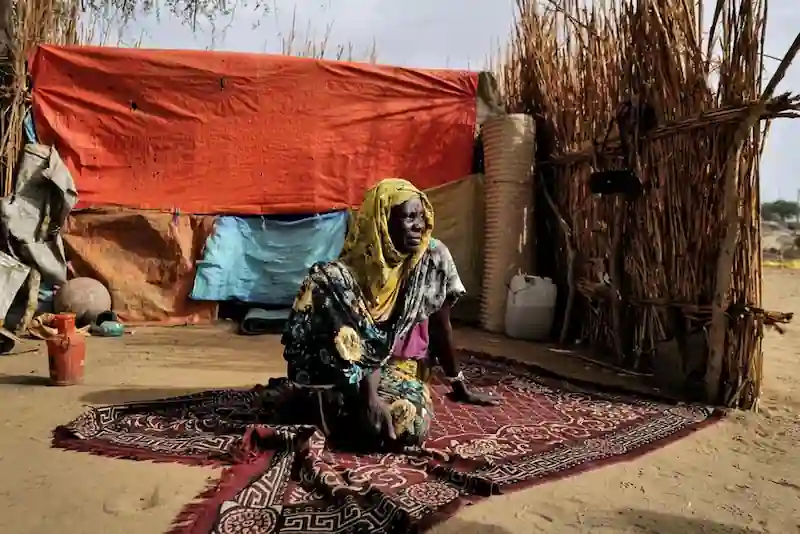
The conflict between Sudan’s army and the Rapid Support Forces (RSF) – a paramilitary group - has rumbled on since 15 April, leaving the capital city reeling from heavy battles and widespread lawlessness, and with a collapse in services. As a result, around 1.4m people have been displaced, with large numbers crossing Sudan’s borders to Egypt or Chad.
The temporary ceasefire runs out on Monday evening, but both countries are urging the factions to renew it to allow vital humanitarian work to continue. In a joint statement, both countries highlighted violations of the ceasefire, which had seriously delayed the delivery of vital medical supplies and essential services. Air strikes, commandeering of medical supplies by the army, and the occupation of civilian buildings and looting by the RSF had been reported.
Despite the ceasefire, sporadic clashes and air strikes had continued, and both the United Nations and aid groups had struggled to transport aid and staff to Khartoum and other areas of need due to bureaucratic delays and security issues. It was reported that warehouses had been looted, and incidents of gender-based violence were also now on the increase.
There were also reports of deadly fighting in El Fashir, a major city in Darfur. Across the country, the health ministry has said that at least 730 people have died in the fighting, though the true total is believed to be much higher.
It is the first time that Saudi Arabia, a key Sudanese partner, has openly called for a ceasefire or has intervened in Sudanese affairs. The request for an extension from both countries reflects their concern that the conflict, which has been driven by a power struggle, could spiral out of control. If left unchecked, the ongoing fight between military factions could result in the destabilisation of the region and a mass migration of the Sudanese people in search of physical safety and their basic needs.