


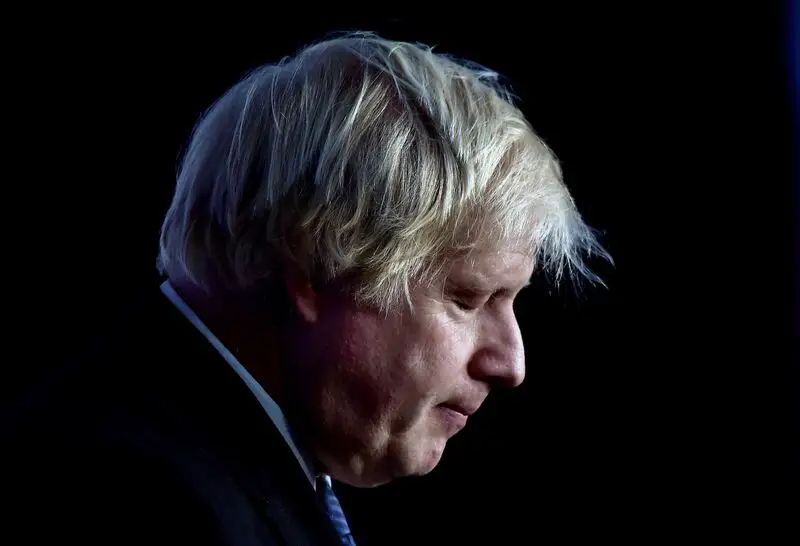


Boris Johnson, the former UK Prime Minister, has resigned his seat in Parliament amid allegations that he misled the House of Commons regarding his role in lockdown-era parties in government offices. Johnson released a statement indicating that a House of Commons committee had found him guilty of misleading lawmakers over his knowledge of Covid-19 rule breaches while he was in Downing Street. The committee privately informed him of their findings this week.
Johnson apologized for leaving his constituents in Uxbridge and South Ruislip, as he had served them both as Mayor and MP. His resignation means that he avoids the potential humiliation of a Commons vote on his conduct and also a special election in his seat, which he might have gone on to lose.
The resignation of Boris Johnson could reignite his feud with Prime Minister Rishi Sunak, which has been simmering since Sunak resigned as chancellor of the exchequer in protest against Johnson’s leadership last year, leading to Johnson’s departure as premier. Sunak's party is now facing special elections this summer, which could threaten to derail his hopes of closing the gap in the opinion polls with the opposition Labour Party ahead of the general election due by January 2025.
The departure of Johnson as MP also has implications for his allies, including Nadine Dorries, who resigned from her Mid Bedfordshire seat on the same day. This decision not only reflects the ongoing political upheaval in the UK but also the increasing pressure on politicians, especially during the pandemic. Many were already frustrated with the government's approach to the crisis, and allegations of rule-breaking parties further eroded their trust in political leaders.
Overall, Johnson's resignation is not only a personal decision but also has consequences for the UK political landscape, further fuelling speculation regarding the future of the Conservative party and the country as a whole.