


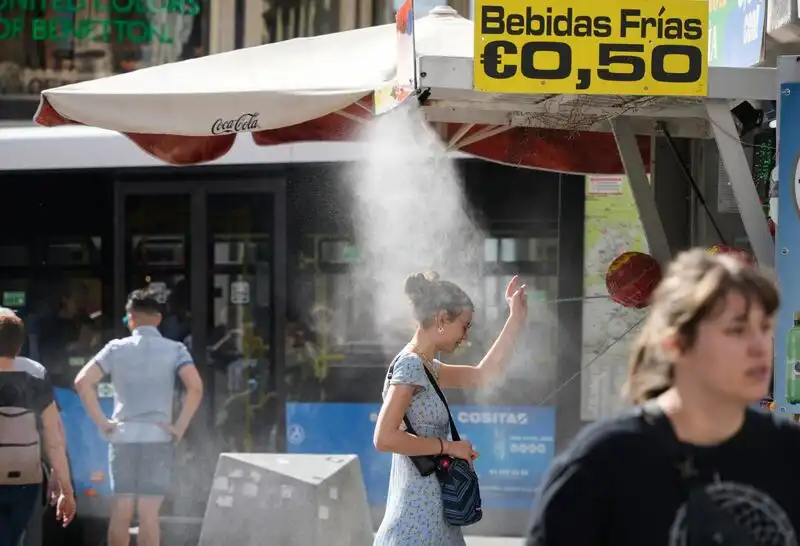


According to scientists at the European Union’s Copernicus Climate Change Service, the record-breaking heat experienced in global temperatures during the first 11 days of June, has surpassed historic levels for this time of year. Additionally, the current heatwave has caused temperatures to exceed pre-industrial levels by over 1.5˚C, which has become a symbolic threshold in the face of global climate change. Although, exceeding this level is expected to be out of sight until the early 2030s, breaking this symbolic measure shows that global warming is persistent and alarming.
This rising temperature could signal another summer of extremely hot weather in Europe. Meanwhile, other parts of the globe are struggling with the return of the El Niño phenomenon. These weather patterns have the potential to cause large fluctuations in commodity and energy prices, as cooling needs rise while droughts harm crops and cause the spread of wildfires. With this in mind, the current record-breaking heatwave seen in early June has significant implications.
“The world has just experienced its warmest early June on record. Every single fraction of a degree matters to avoid even more severe consequences of the climate crisis”, warns Samantha Burgess, the deputy director of the Copernicus Climate Change Service. It’s important to note that while this increase in temperature is the first time the 1.5°C threshold has been exceeded in June, it’s not the first time it’s happened on a daily global average level.
The Copernicus model used to generate this report utilises data from satellite, ship, aircraft, and weather station measurements from around the world. This information combines experts in the UK, France, Germany, Italy, and the United States for monthly and seasonal forecasts.
Overall, the fact that temperatures have exceeded pre-industrial levels and are setting new records every year is concerning. Individuals, businesses, and governments alike need to take action to mitigate the risks of climate change to help create a sustainable future for our planet.