




The European Union and New Zealand have officially signed a groundbreaking free trade agreement that aims to enhance trade relations between the two parties. This deal, which also includes sustainability goals, is the first of its kind for the EU. The agreement is projected to increase EU exports to New Zealand by a staggering €4.5 billion annually.
Under the terms of the agreement, EU companies will benefit from a reduction of approximately €140 million ($153.5 million) per year in duties. The ultimate objective is to boost bilateral trade by 30% within the next ten years, while also increasing investment to New Zealand by 80%. European Commission President Ursula von der Leyen expressed her satisfaction with the agreement, stating that it provides ample opportunities for businesses on both sides.
This trade deal with New Zealand is part of the EU's broader strategy to strengthen trade relations with trusted partners across the globe. Negotiations with Australia are also progressing well, as a new round of talks is scheduled to take place in the coming week, according to Executive Vice-President Valdis Dombrovskis.
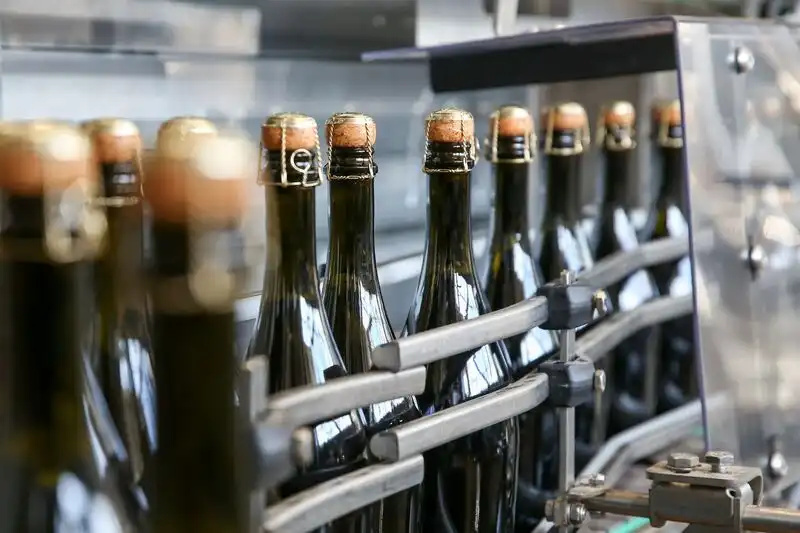
The benefits of the agreement for EU exporters are significant. Tariffs on various products, including pig meat, wine, chocolate, and biscuits, will be eliminated. Additionally, more than 2,000 products will be protected, ensuring the market access of cherished European goods like Prosecco, Feta cheese, and Manchego cheese. Furthermore, opportunities will be created in sectors such as financial services, telecommunications, maritime transport, and delivery services.
Notably, this trade agreement goes beyond traditional economic aspects. It also includes commitments aligned with the Paris Climate Agreement. Chapters on sustainable food, gender equality, and reforming fossil fuel subsidies are incorporated, demonstrating a joint commitment to addressing pressing global challenges.
In return, New Zealand will enjoy tariff-free access for key products such as wine, apples, onions, and honey. This will result in significant tariff savings on 91% of the country's current exports to the EU. Despite not obtaining everything they desired, New Zealand's Trade and Export Growth Minister Damien O'Connor expressed satisfaction, highlighting substantial progress even in sensitive areas such as sheep meat, beef, and dairy.
Before the agreement takes effect, it must be ratified by the parliaments of both the EU and New Zealand. However, Dombrovskis expressed confidence that this process will occur within a reasonably short period of time, signaling an optimistic outlook for the future of EU-New Zealand trade relations.