


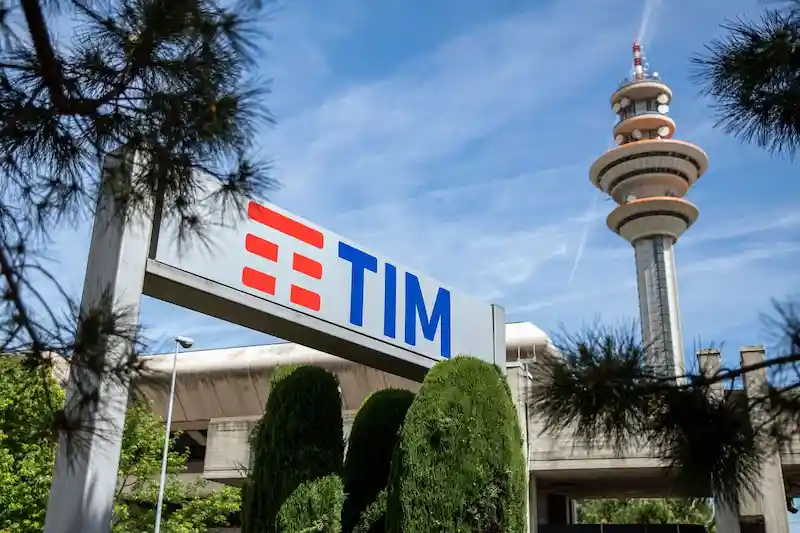


Telecom Italia, once seen as a promising telecommunications powerhouse, finds itself in a precarious position today. Over two decades ago, the company had an audacious plan to buy Apple, but the tech giant turned down the offer. While Apple went on to become the world's most valuable company, Telecom Italia's fate has taken a different course.
Back then, Telecom Italia was a thriving telecommunications company with a worth of €90 billion ($100 billion). It had minimal debt, owned stakes in various tech groups worldwide, and employed over 120,000 people. However, a hostile takeover by a group of Italian entrepreneurs led by Roberto Colaninno in 1999 changed the company's trajectory. The deal, worth about €50 billion, left Telecom Italia sidelined as European rivals engaged in industry consolidation.
In recent years, Telecom Italia has faced significant challenges. The company's sales and earnings have dwindled, declining by nearly half over the past decade. Generating revenue of only around €16 billion last year compared to €26 billion in 2012, Telecom Italia has struggled to keep up in Italy's fiercely competitive telecommunications market. The country offers lower-priced options for landline services, and new players like France's Iliad SA have intensified the price war.
As a former monopoly operator, Telecom Italia is burdened by high labor costs and substantial investments required to maintain its network infrastructure. The company has also faced hefty payments for spectrum permissions over the years, further adding to its financial strain. These factors, combined with Italy's highly competitive telecoms market, have contributed to the company's precipitous decline.
To alleviate its mounting debt, Telecom Italia finds itself in the position of having to sell off its landline network. This potential divestiture represents a transformative deal for a European carrier and highlights the urgency of the company's financial situation. The probable buyer of the network is private equity firm KKR & Co, a significant shift from Telecom Italia's once ambitious plans to acquire Apple.
The network sale has attracted the attention of various stakeholders. While KKR is currently in exclusive talks with Telecom Italia, the Italian government, led by Prime Minister Giorgia Meloni, seeks to retain oversight of the grid and ensure the protection of the carrier's employees. Additionally, Telecom Italia's largest shareholder, Vivendi SE, has expressed strong opposition to any network offer below €30 billion, further complicating the sale process.
Regardless of the outcome of the network battle, Telecom Italia is bound to undergo significant changes. The future success of the company will depend on its ability to adapt and attract new customers with more profitable services. With the potential sale of its network, Telecom Italia's focus will likely shift towards its service unit, which may need to explore transformational deals with tech companies to remain competitive.
In the uncertain landscape ahead, one thing is clear: Telecom Italia won't be making another attempt to buy Apple. The company's future rests on its ability to navigate the challenges of the telecommunications industry and redefine its position in the market.