




As temperatures soar across the Mediterranean, Greece is bracing itself for an intensifying heat wave over the weekend. After a slight respite on Thursday, the extreme heat is expected to build up again, testing records in the fire-ravaged country. While the Italian island of Sardinia is set to reach temperatures close to the scorching 45.9C (115F) recorded earlier this week, it is Greece and the Balkans that will bear the brunt of the Saharan anticyclone. The Hellenic National Meteorological Service forecasts highs of 47C on Saturday, just shy of the country's all-time high of 48C set in Athens in 1977.
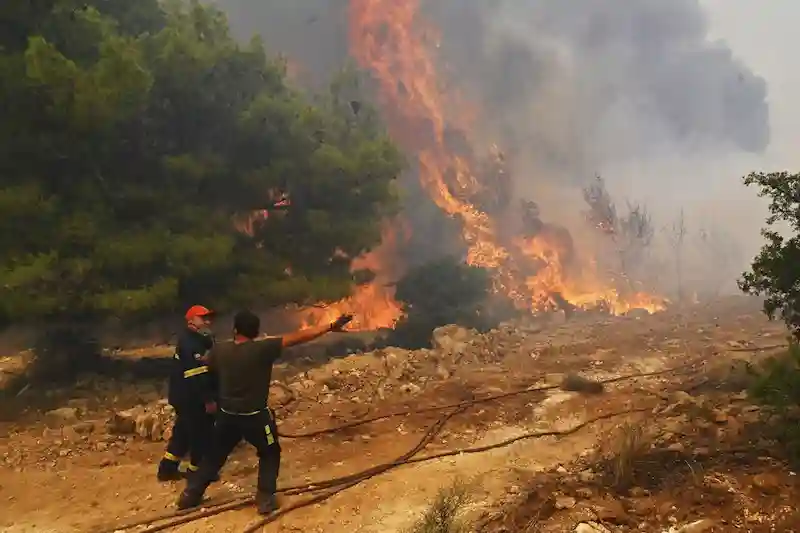
As firefighters battle raging wildfires across Greece, most of the blazes around Athens have been brought under control, providing some relief. However, the fire on the island of Rhodes continues to burn, although it is no longer threatening homes. Meanwhile, the rest of the Mediterranean region is also preparing for the heat wave, with heat wave alerts in place for several areas in southeast France. Cannes, situated on the glamorous Côte d'Azur, broke its own record with a scorching temperature of 39.1C recorded on Wednesday, following the previously set highs in Rome and Catalonia.
While southern Europe grapples with the scorching heat, there is a sharp divide in Europe's weather patterns. Many northern regions are experiencing a cool July, with temperatures well below the norm. On Saturday, London is forecasted to reach a maximum of just 16.5C, a significant 6C below average. This trend is echoed across northern France, Germany, and the Nordic countries for most of the coming 10 days.
Against the backdrop of extreme weather events, Washington's climate envoy, John Kerry, has urged for more time for the US and China to "break new ground" in their joint efforts to combat global warming. Heat waves, floods, and fires have been ravaging various parts of the Northern Hemisphere, and the increase in intensity and duration can be attributed to the ongoing reliance on fossil fuels, further exacerbating the deadly climate crisis. With the world witnessing record temperatures for 16 days this month alone, it is clear that urgent action is needed to address the climate emergency.
As the Mediterranean braces for another bout of sweltering heat, health authorities in Greece have advised people to take necessary precautions. This includes wearing light clothing and hats, taking frequent showers, and staying hydrated. Workplaces are advised to have air-conditioning or fans, preferably mounted on the ceiling, to provide relief from the intense heat.
While the heat wave poses significant challenges for countries in the region, it also serves as a stark reminder of the need for global action to mitigate climate change. As the world grapples with the consequences of rising global temperatures, it is imperative that nations work together to transition to cleaner and more sustainable energy sources to ensure a safer and healthier future for all.