


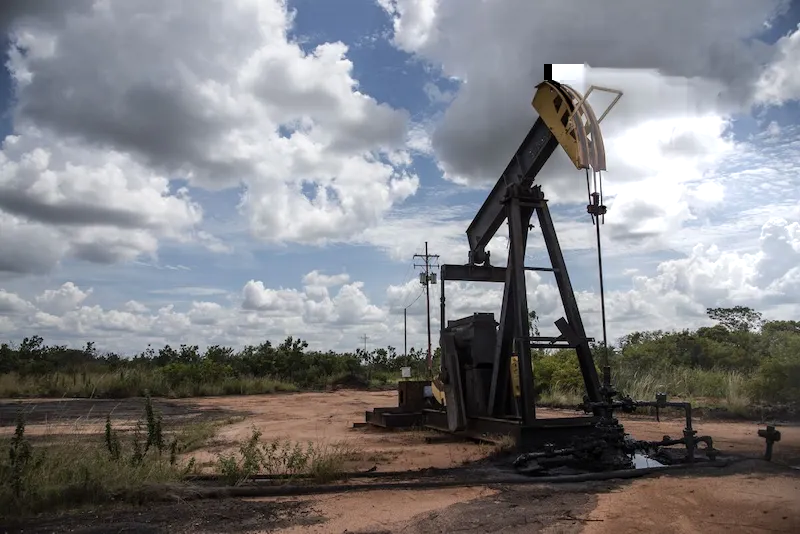


The Biden administration's recent decision to engage in talks regarding the temporary lifting of sanctions against Venezuela has sparked optimism for the revival of oil production in the country. This move could potentially breathe life back into Venezuela's oil industry, which has been plagued by mismanagement and sanctions, causing production to plummet to its lowest level in 50 years.
Among the companies eagerly awaiting the possibility of eased sanctions is Chevron Corp., the only US oil company currently operating in Venezuela. Additionally, European firms such as Eni SpA, Repsol SA, and Maurel & Prom are also hoping for a chance to revitalize their drilling projects in the country.
Analysts predict that successful negotiations and the issuance of new licenses could result in Venezuela adding an additional 200,000 barrels per day by 2025, with the potential to reach 1 million barrels per day. This would be a significant boost for a country that holds the largest oil reserves in the world, surpassing even Saudi Arabia.
According to reliable sources, Chevron is planning to commence drilling new wells in 2024 and could achieve a production output of 200,000 barrels per day by the end of that year. This positive outlook comes after Chevron managed to more than double its output to 135,000 barrels per day in May, following a license issued by the US Treasury allowing the company to engage in new operational agreements with Venezuela's state oil company, Petroleos de Venezuela SA (PDVSA).
However, reasons for caution remain. The discussions surrounding the potential lifting of sanctions are contingent upon Venezuelan President Nicolás Maduro agreeing to hold a fair and competitive presidential election in 2024, as well as releasing political prisoners. Past experiences have shown Maduro's reluctance to fulfill such demands. Moreover, it remains uncertain whether the temporary lifting of restrictions will provide enough respite for the struggling oil industry to experience a meaningful recovery.
While the potential reopening of Venezuela's oil industry is welcome news, it is important to note that the path to recovery is still steep. The country's oil sector has suffered from years of negligence and systemic issues that are not easily resolved. Nevertheless, the prospect of increased production and the injection of investment from international oil companies provides a glimmer of hope for Venezuela's economy and its people. As talks progress, it remains to be seen whether these discussions can bring about a new era for the struggling oil giant.