


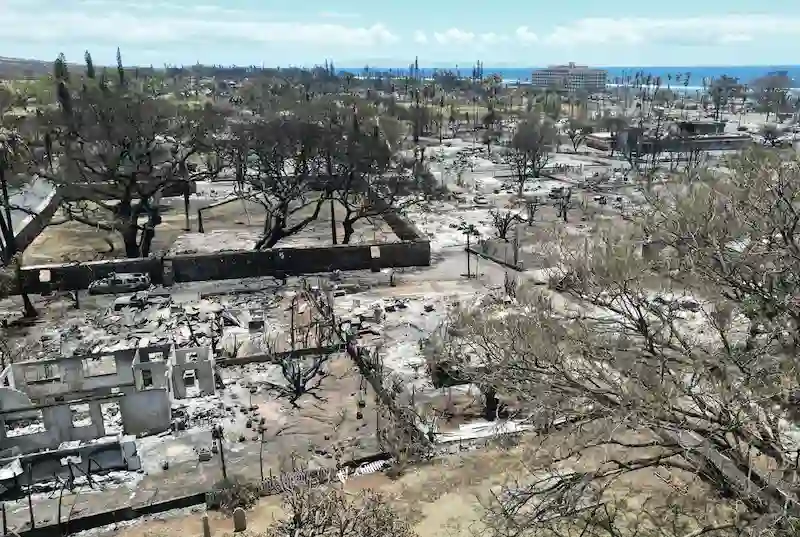


The town of Lahaina in Maui experienced a devastating wildfire that reduced it to rubble and ash within a day. This tragic event serves as a stark reminder of the importance of preparedness when it comes to wildfires. Throughout the summer, wildfires have been wreaking havoc worldwide, claiming lives and causing extensive damage. The situation in Greece, for example, has been described as unprecedented due to the overwhelming number of fires. Similarly, Canada is facing its worst wildfire season on record, with millions of hectares burned.
In the United States, the population living in areas at risk of wildfires has significantly increased over the past few decades. A study published in the journal Nature Sustainability reveals that from 2000 to 2019, there was a 125% increase in the population exposed to large fires. This can be attributed to both the expansion of development into fire-prone areas and the effects of climate change, which create favorable conditions for wildfires.
One crucial step in reducing fire risk at both the individual and community level is the creation of a vegetation buffer. Experts recommend maintaining a vegetation-free zone between wild landscapes and residential areas. This buffer acts as a barrier, slowing down or preventing the spread of fires. For instance, in Lahaina, the lack of a buffer allowed the fire to rapidly enter the community.
Additionally, spacing buildings apart by at least 25 to 30 feet can help prevent the rapid spread of fires. This distance makes it more difficult for flames to jump from one building to another, and for radiant heat or embers to ignite neighboring structures. The tightly packed buildings in Lahaina contributed to the rapid progression of the wildfire.
Choosing fire-resistant materials for construction is another crucial aspect of wildfire prevention. Building roofs with materials that have a Class A fire rating, such as metal, certain types of tile, or modern shingles, can minimize the risk of fire spreading through ember ignition. Similarly, constructing walls using noncombustible materials like concrete masonry or cinder blocks, or elevating homes on concrete slabs, can help fireproof the structures.
Having multiple evacuation routes is crucial in ensuring community safety during a wildfire. The availability of alternative exits can significantly improve the chances of people escaping swiftly. Tragically, the limited number of main roads out of Lahaina, combined with downed power lines and fire, hindered evacuation efforts and led to a higher death toll.
In situations where evacuation becomes impossible, designated fire refuges play a vital role. These refuges can be community centers, schools, parks, or golf courses made from fire-resistant materials and with adequate fire breaks. Providing these safe spaces gives people a sheltering option when evacuating is not feasible. It is important to have multiple refuge options spread throughout the community, ensuring accessibility for residents in various locations.
In conclusion, while reducing carbon emissions is essential in combating wildfires, community design and preparedness can significantly mitigate their impact. Creating vegetation buffers, increasing building spacing, using fire-resistant materials, having multiple evacuation routes, and establishing fire refuges are all crucial steps in minimizing the risk and damage caused by wildfires. By implementing these strategies, communities can enhance their resilience and protect lives and property against the growing threat of wildfires.