




NASA has announced that it could play a vital role in collecting more data on UFOs, according to an independent report released on Thursday. In an effort to create a roadmap for NASA's involvement in studying Unidentified Anomalous Phenomena (UAP), a group of experts and scientists conducted a thorough investigation, though they found no definitive evidence of intelligent alien life.
The report, which spans 33 pages and relies on publicly-discussed unclassified data, emphasizes that aliens are not the only plausible explanation for UAP. However, it advocates for a continued search for answers and suggests that NASA should utilize its satellites and other instruments to gather additional information on these mysterious phenomena. Furthermore, the report encourages the use of artificial intelligence to analyze large volumes of data, allowing for cross-referencing and a more comprehensive understanding of these unexplained events.
One significant hurdle discussed in the report is the need to combat biases and skepticism that may discourage witnesses from coming forward with their accounts of UAP sightings. The authors highlight the importance of a rigorous and evidence-based scientific approach to understand these phenomena, aiming to reveal the reality behind them. They invoke Thomas Jefferson's thoughts on unexplained concepts, stressing the requirement of substantial evidence for extraordinary claims.
During a panel discussion, NASA's Assistant Deputy Associate Administrator for Research, Dan Evans, disclosed that the agency would not publicly disclose the name of the newly-appointed director of UAP research, citing concerns about potential harassment. He acknowledged that the team involved in the independent study had already faced online abuse and harassment that he described as unacceptable.
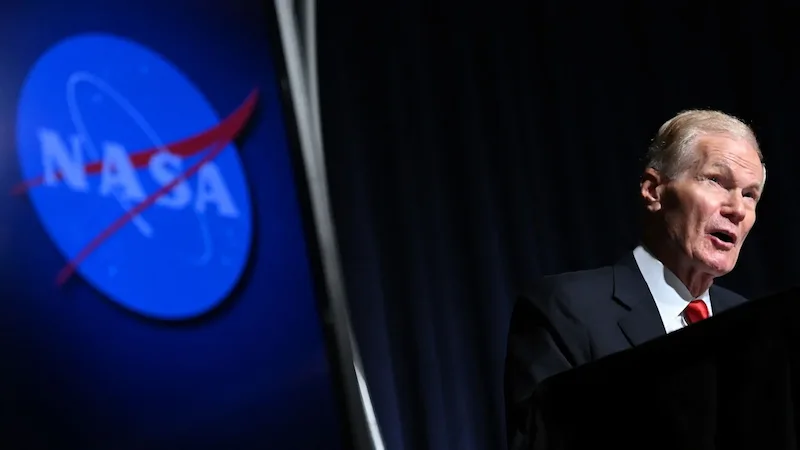
NASA Administrator Bill Nelson emphasized that the search for extraterrestrial life is part of NASA's core mission. While he personally believes in the possibility of life in the vast universe, he cautioned against assuming that UAP are evidence of such life. Nelson highlighted the need to shift the conversation about UAP from sensationalism to scientific inquiry.
In conclusion, this report marks a crucial step for NASA in taking UAP research seriously. By leveraging existing technology and adopting a scientific framework, NASA hopes to shed light on the perplexing nature of these unexplained phenomena.