


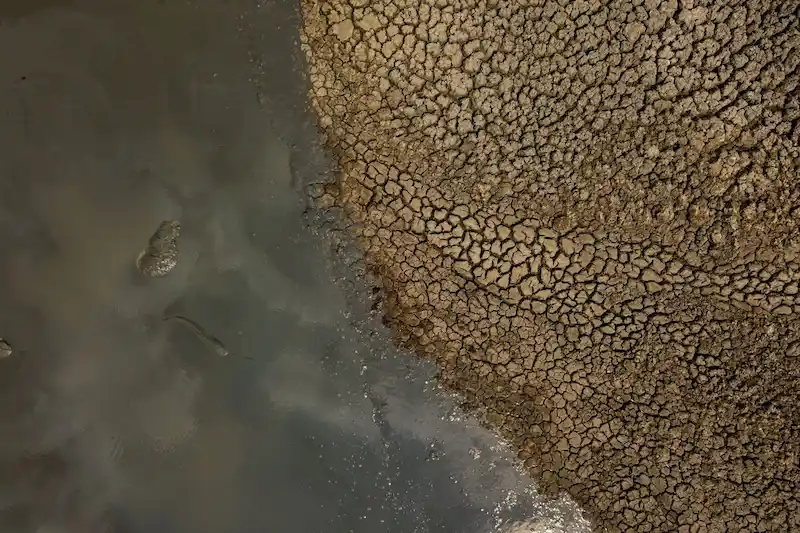


Zimbabwe's biggest national park has recently experienced a significant migration of wildlife to neighboring Botswana, marking the largest movement of animals in four years. The migration has been driven by the severe drought and the subsequent scarcity of water sources in Hwange National Park, the country's largest national park.
According to Tinashe Farawo, spokesperson for the Zimbabwe Parks and Wildlife Management Authority, a wide range of animals, including buffaloes and elephants, have been observed leaving the park in search of water. The natural pans within the park have dried up considerably due to the low rainfall received in Matabeleland North, where the park is situated, from November to March. The dry conditions are expected to persist as the El Niño weather pattern, which could result in reduced rainfall towards the end of the year, continues to influence the region, as stated by the Meteorological Services Department.
However, this significant movement of animals is likely to cause an increase in conflicts between humans and wildlife, as the migrating animals pass through areas inhabited by people. The scarcity of resources and the animals' need for survival can lead to encounters that pose risks for both parties involved.
It is worth noting that southern Africa, including Zimbabwe and Botswana, has been identified by the United Nations International Panel on Climate Change as a "hotspot region" that faces enhanced risks of extreme heat and reduced rainfall as global temperatures rise. This ongoing climatic challenge has put immense pressure on the wildlife ecosystems, forcing animals to adapt and seek alternate sources of sustenance.
Botswana, home to the world's largest elephant population, with over 130,000 individuals, is likely to witness an influx of migrating elephants from Hwange National Park in Zimbabwe, which has just over 65,000 elephants. This movement of such a significant number of elephants will have its own implications for Botswana, as it will place additional strain on the country's limited resources and potentially increase the human-wildlife conflicts already prevalent in the region.
As the effects of climate change continue to unfold, it is crucial for countries in the region to implement sustainable measures to mitigate the impacts on wildlife and local communities. Additionally, international cooperation and support are needed to address the growing challenges faced by these "hotspot regions" and protect the diverse ecosystems and iconic species that call them home.