


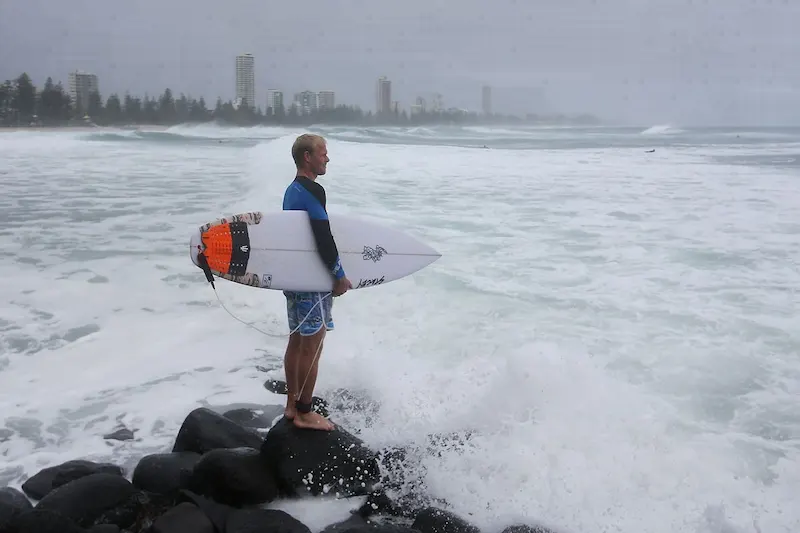


Anticipation for the upcoming tropical cyclone season in Australia has been muted as the Australian Bureau of Meteorology predicts fewer storms than normal. According to the agency, there is an 80% chance that fewer than 11 storms will form in the waters around Australia, which encompass the Indian and South Pacific Oceans. In a typical year, Australia experiences around 11 storms. However, with the current El Niño event in the equatorial Pacific, the first storm is not expected to make landfall until the second week of January, later than usual.
El Niño often reduces the total number of tropical cyclones that form in the Australian region, as well as the number of coastal crossings. Nevertheless, the agency notes that since reliable records began in the 1970s, at least one tropical cyclone has crossed the Australian coastline each season. Over the past few decades, the number of storms forming around Australia has decreased. Since 2000, the average number of cyclones in a season has reduced to 9. However, the long-term average of 11 is still used to represent a typical year in Australia.
In other weather news, the South Pacific recently experienced the early formation of a Category 5 storm named Lola. This storm is estimated to have caused approximately $100 million in losses and damages to Vanuatu. Hurricane Otis also wreaked havoc in Mexico's historic beach town of Acapulco, causing destruction with wind speeds of 165 miles per hour. The economic impact on Acapulco is estimated to be between $10 billion and $15 billion, especially as the region's high season for tourism ranges from December to March.
Meanwhile, Peru has declared a state of emergency in 11 regions due to the risk of flooding triggered by the El Niño weather phenomenon. Most of these regions are located in the northern part of the country. With the heightened risk of flooding, authorities are taking necessary precautions to ensure the safety of residents and minimize potential damages.
As the tropical cyclone season approaches in Australia, the reduced forecast for storm activity brings both relief and caution. While the decrease in the number of storms may offer some respite, it is important to remain vigilant and prepared for any unpredictable weather events that may still occur.