


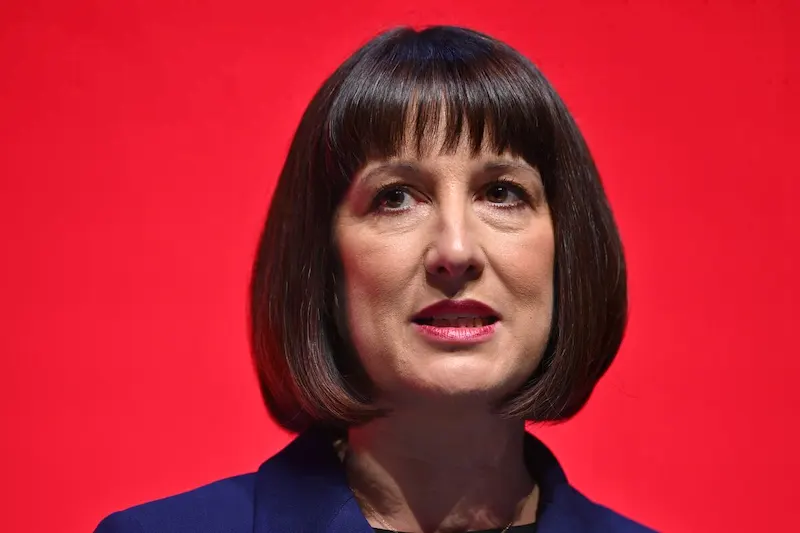


Labour's Shadow Chancellor, Rachel Reeves, has announced plans to tackle poor living standards and boost weak economic growth if the party forms the next government. Reeves stated that Labour would put an end to the freeze on tax thresholds, which is projected to cost workers on the basic 20% rate of income tax £750 ($920.14) each year. Additionally, she pledged to make full-expensing, a 100% tax relief on capital investment, a permanent policy. The affordability of these measures within Labour's fiscal rules, including falling debt as a share of GDP and day-to-day spending covered by tax revenue, would be crucial.
Reeves emphasized that Labour would not manipulate figures or use different models to achieve better results, stating they would rely on the same models used by the government. With Chancellor of the Exchequer Jeremy Hunt set to deliver his autumn statement on November 22, where growth-enhancing policies are expected to be outlined, Reeves expressed Labour's commitment to lower taxes and boost growth. However, she criticized the current government for implementing 25 tax rises under Rishi Sunak.
Despite Labour's lead over the ruling Conservative Party in opinion polls, Reeves has faced criticism for not offering a clear alternative to Hunt. She highlighted growth as Labour's top priority and pointed to planning and pensions reforms as key factors in stimulating business investment, which are already being pursued by the Conservatives.
Both parties have pledged to lower the tax burden, as it stands at levels not seen since shortly after World War II. Reeves expressed concern over the impact of high inflation coupled with low growth, resulting in higher taxes for individuals on average earnings who are pushed into higher tax brackets. She called it a failure of the government for taking money from working people.
Labour has also indicated its support for the government's potential extension of full expensing, a policy that allows companies to write off the cost of investment in one go. Reeves indicated that if full expensing were extended by one year, Labour would support it, and if funds were available, they would seek to make it a permanent policy. Extending full expensing could cost up to £10 billion annually, while re-linking income tax thresholds with inflation would cost around £3 billion by 2027-28.
The six-year freeze on the amount individuals can earn before paying income tax has been described as the largest tax raid on record, potentially raising £40 billion annually by 2028 as rising wages push more people into basic or higher-rate tax brackets. The freeze was initially introduced under Sunak's tenure as Chancellor and extended by Hunt.
The calculations by Bloomberg show that the average basic-rate taxpayer will pay an additional £750 in tax per year by the end of the forecast. The Resolution Foundation think tank estimates that Hunt will have approximately £15 billion of fiscal headroom at the autumn statement, up from £6.5 billion in March, but still relatively low compared to historical standards.
Reeves reiterated that Labour has ruled out implementing a wealth tax and has no plans to increase taxes, except for the planned £5 billion-£7 billion from scrapping non-dom breaks for wealthy foreigners, charging VAT on private school fees, and closing a private equity loophole.