




China's budget deficit has continued to shrink this year, as government revenue experienced growth compared to the Covid-impacted period in 2022, while spending declined. According to Bloomberg calculations based on data released by the Ministry of Finance on Friday, the augmented deficit, which is the broadest measure of the fiscal gap, stood at 6.96 trillion yuan ($980 billion) in the first 11 months of this year, reflecting a 10.2% decrease compared to the same period last year.
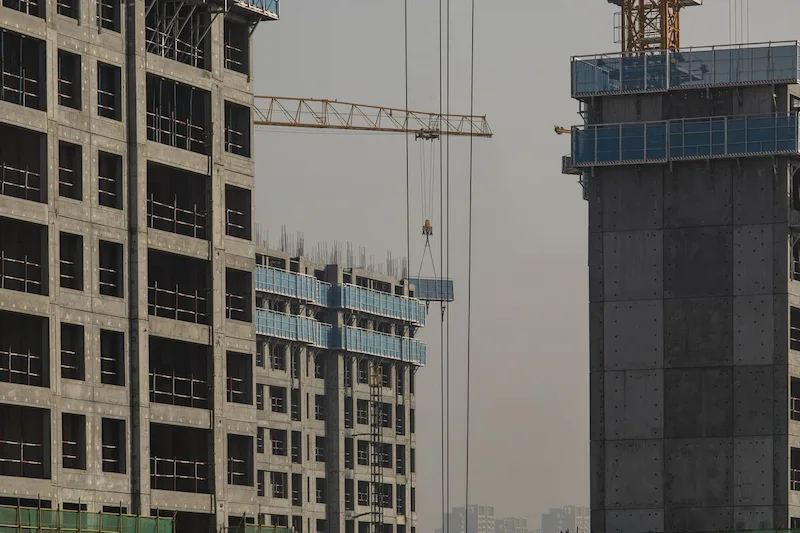
During the January-November period, total revenue rose by 2.6% year-on-year, amounting to 25.2 trillion yuan, while spending decreased by 0.5% to reach 32.2 trillion yuan. However, land sales revenue took a significant hit, totaling 4.2 trillion yuan, down 17.9% year-on-year, as the slump in the housing market persisted.
The decline in spending indicates a slow pace of fiscal support to aid the uncertain recovery from the pandemic. Nevertheless, fiscal measures are expected to play a pivotal role next year in bolstering China's growth, as top leaders have recently emphasized the need to strengthen fiscal policy "appropriately" during key economic policy meetings for 2024.
China's economy continues to face challenges resulting from the downturn in the property market and subdued domestic demand. Official data released on Friday revealed that growth in retail sales and fixed-asset investment fell short of expectations in November. However, industrial output exceeded forecasts, largely due to the favorable comparison with a low base from a year ago.
To support the economy, Chinese policymakers have agreed to run a budget deficit equivalent to 3% of the gross domestic product (GDP) next year. Additionally, Reuters reported on Friday, citing three unidentified sources familiar with the matter, that the government could issue 1 trillion yuan in special sovereign bonds to finance additional expenditures.
Furthermore, authorities have already stepped up fiscal stimulus since late October by raising the official deficit for 2023 to 3.8% of GDP. This was achieved through the issuance of an additional 1 trillion yuan in sovereign bonds, intended for spending on disaster relief efforts. Half of these funds will be allocated for investment in the upcoming year, as stated by the government.
While China's budget deficit has contracted and fiscal support remains relatively restrained, the government's commitment to strengthening fiscal policy in the near future suggests that further measures may be undertaken to bolster economic growth and address the challenges posed by the ongoing property market downturn and sluggish domestic demand.