


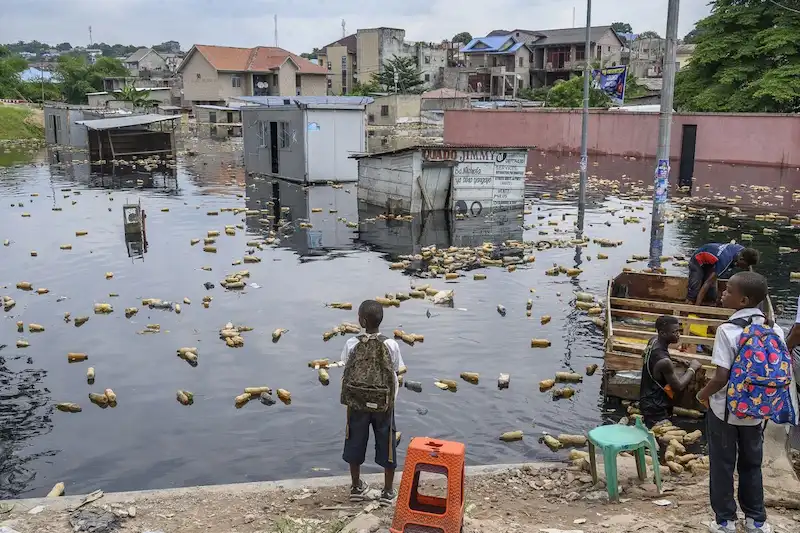


Floods in the Republic of Congo have caused widespread destruction, damaging numerous health centers and schools and putting hundreds of thousands of people at risk of disease, warns the World Health Organization (WHO). The country has experienced an exceptional increase in rainfall, with double the amount compared to the same period last year. The water level in the Ubangi River, the largest right-bank tributary of the Congo River, has reached an all-time high, exacerbating the flooding situation.
According to the WHO, flooding has affected nine out of the country's twelve regions, with the northern area and the banks of the Congo River experiencing the most significant damage. Over 336,000 individuals are now in urgent need of humanitarian assistance, as floods have impacted at least 64,000 homes. The situation is particularly dire as the flooding has destroyed critical infrastructure, including health facilities and schools.
The Republic of Congo is home to millions of people residing along the Ubangi and Congo rivers. These rivers, which flow through both the Republic of Congo and its neighbor, the Democratic Republic of Congo, eventually merge and empty into the Atlantic Ocean. Unfortunately, this region has been heavily affected by the ongoing flooding crisis. DR Congo has also reported devastating floods, with the government confirming more than 300 deaths relating to the flooding last week, as reported by the Congolese press agency.
The combination of inundated riverbanks, destroyed infrastructure, and the displacement of a significant number of people has created a looming public health crisis. Disease outbreaks, such as waterborne illnesses and mosquito-borne diseases, pose a severe threat to the affected population. Access to healthcare services has been severely disrupted, as many health centers have been destroyed or rendered inaccessible due to flooded roads and pathways.
In response to the urgent situation, the WHO is working closely with local authorities and humanitarian partners to address the immediate healthcare needs of the affected population. Emergency medical supplies and personnel are being deployed to the affected regions, aiming to bring relief and support to those in need. The organization is also focusing on disease surveillance and rapid response to prevent potential outbreaks and minimize the impact on public health.
Efforts to provide clean water, adequate sanitation, and promote hygiene practices are crucial in preventing the spread of diseases in such challenging circumstances. The WHO is actively coordinating with other humanitarian agencies to ensure these essential interventions are in place to safeguard the health and well-being of the affected communities.
As the flooding crisis intensifies, the Republic of Congo urgently requires international assistance to support its recovery efforts. The provision of emergency aid, including shelter, food, medical supplies, and clean water, remains vital in alleviating the suffering of those affected and minimizing the long-term impact on public health.