


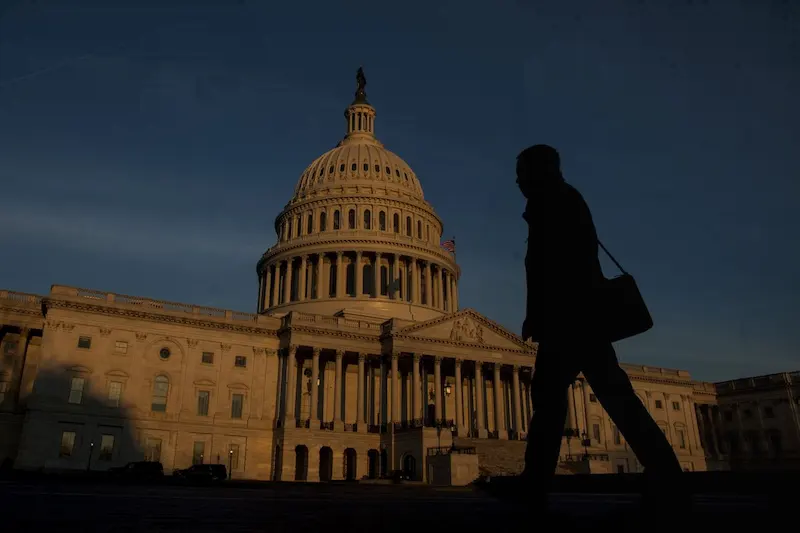


A tax break deal that has garnered the support of top US lawmakers still faces significant obstacles before it can be passed by Congress. The measure, proposed by Democratic Senator Ron Wyden and Republican Representative Jason Smith, includes around $80 billion in tax breaks for research and development, business interest, and equipment depreciation. It also includes changes to the child tax credit that would benefit the working poor. While Senate Majority Leader Chuck Schumer has backed the deal, it needs to gain more support in a short timeframe for it to be passed before the start of the tax filing season on January 29.
The retroactive tax break for research and development conducted within the US would be particularly beneficial for tech and aerospace companies with significant domestic research activities. It would also benefit the manufacturing sector. However, despite the backing of Schumer, the deal still needs to win broad support in both the House and Senate. The House Ways and Means panel is expected to consider the legislation on Friday, and it is crucial for the deal to gain sufficient support in order to be passed.
Representative Richard Neal, the top-ranking Democrat on the House panel, is currently discussing the plan with his colleagues. Similarly, Republican Senator Mike Crapo, the top-ranking member on the Senate panel, has described the deal as a "starting point." The lack of support from key figures such as House Speaker Mike Johnson and President Joe Biden further complicates the passage of the deal.
One of the key provisions of the deal is changes to the child tax credit, which would raise after-tax income for the families of 15 million children. It would also modify the low-income housing tax credit to facilitate the construction of 200,000 affordable housing units. According to the Center for Budget and Policy Priorities, the proposal would lift 400,000 children out of poverty in the first year alone.
The deal does not include any changes to the current limit on deductions for state and local taxes. Republican lawmakers from high-tax states have pressed for the elimination of the $10,000 cap on such deductions. The House Freedom Caucus is currently reviewing the details of the deal, with some conservatives expressing concerns about expanded child tax credits and their potential impact on workforce participation.
In order to pass the House, the deal will likely require strong Democratic support, especially considering the slim majority held by House Republicans. Any three Republicans can block legislation from being considered, making it critical for Democrats to secure sufficient votes. While some Democrats, including Connecticut's Rosa DeLauro, have called for a full expansion of the child tax credit, Senator Wyden and Representative Smith's deal aims to provide greater benefits to low-income families with multiple children.
The deal also includes provisions to restore expired or expiring business tax breaks. This includes allowing companies to immediately deduct the full cost of research and development conducted within the US, as well as permitting immediate write-offs for equipment purchases. Companies such as Boeing, NextEra Energy, and General Motors stand to benefit from the return of the equipment write-off provision. The Business Roundtable and the National Association of Manufacturers have made passing the tax package a top priority.
Apart from these provisions, the deal also includes bipartisan legislation to promote investment between the US and Taiwan in the semiconductor industry. The legislation would provide double taxation relief for businesses operating in both countries.
To fund the costs associated with this tax package, the deal proposes ending new claims for the employee retention tax credit program by the end of January.
While the tax break deal holds promise for US businesses, its passage through Congress remains uncertain due to the need for broader support and the limited time available before the start of the tax filing season.