


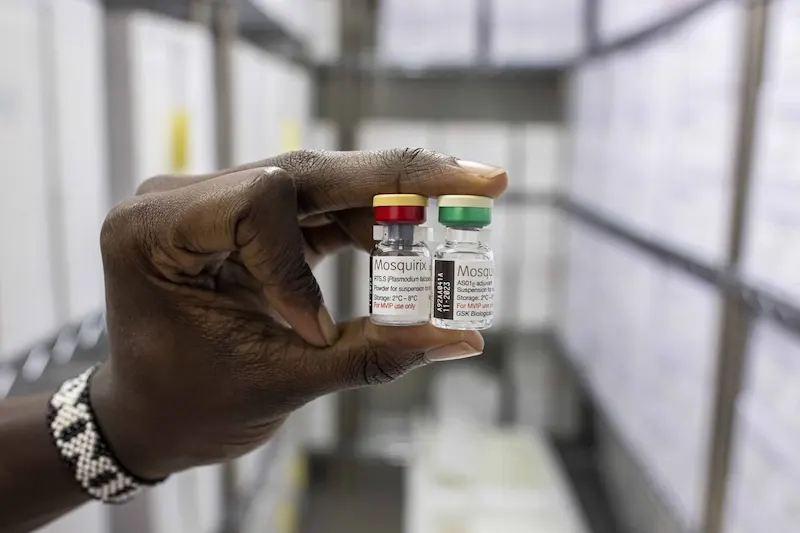


In a groundbreaking move, Cameroon has become the first country in the world to administer routine malaria immunizations to its children. The Central African nation has adopted the recommended malaria vaccine by the World Health Organization (WHO), marking a significant step forward in the fight against this deadly disease. The WHO-recommended vaccine, known as Mosquirix, is now being introduced in 19 other African countries this year, with more than 3 million children expected to receive the vaccination. This promising development brings hope to combat malaria, which claims the lives of over 600,000 people annually, mainly in sub-Saharan Africa, and predominantly affects children under the age of five.
The implementation of routine malaria immunizations is a crucial measure in achieving the WHO's ambitious goal of reducing malaria incidence and mortality rates by 90% within the next six years. Furthermore, the organization aims to eliminate malaria completely from 35 countries. The significance of this milestone cannot be understated, as it heralds a potential turning point in reducing malaria's devastating impact on vulnerable populations.
Creating an effective malaria vaccine has proven to be a challenging endeavor. Malaria-causing parasites have a remarkable ability to mutate, making them resistant to existing treatments. Additionally, the expanding threat of climate change poses the risk of shifting malaria transmission patterns into previously unaffected regions. Hence, the successful development of Mosquirix as a preventative measure brings renewed optimism in the fight against this global health crisis.
Mosquirix, developed by pharmaceutical company GSK Plc in collaboration with the PATH Malaria Vaccine Initiative, will be used in conjunction with existing malaria prevention methods such as bed nets and indoor surface spraying. The vaccine underwent trials in Kenya, Ghana, and Malawi starting in 2019. It is recommended for children aged five months and older, with a four-dose schedule.
Cameroon's pioneering efforts in implementing routine malaria immunizations not only protect their own children but also set an inspiring example for other nations in the region and beyond. With 19 African countries expected to introduce the vaccine this year, the potential impact on millions of lives cannot be underestimated. Furthermore, a second WHO-backed malaria vaccine is expected to become available later in the year, further bolstering the global fight against this devastating disease.
While challenges remain in the battle against malaria, this milestone brings hope and renewed determination to eradicate the disease. By combining multiple approaches such as vaccines, bed nets, and preventive measures, we inch closer to a world where malaria is no longer a major threat to the lives and well-being of millions, especially the most vulnerable among us.