


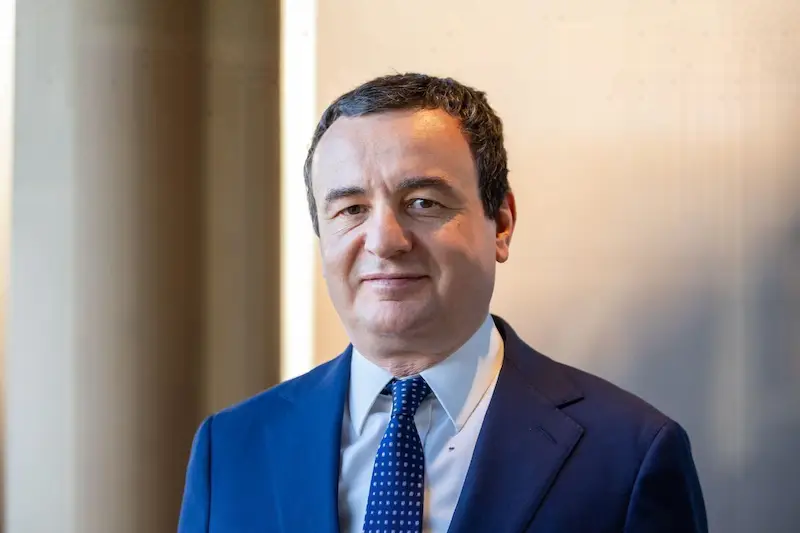


Kosovo’s Prime Minister, Albin Kurti, stood firm on the new regulations enforcing the euro as the country's sole currency. These regulations, which came into effect on February 1, have faced criticism from both the United States and the European Union for potentially disrupting cash assistance to ethnic Serbs who use the dinar.
Despite the international backlash, Kurti emphasized that his government would not interfere with the independent central bank in implementing the new currency rules. He reassured ethnic Serbs that they would be given time to adjust and that no punitive measures would be taken against them. However, the US and EU have urged Kosovo to at least delay the currency restrictions in order to avoid complications with essential pension and welfare payments to ethnic Serbs.
Kurti has taken a firm stance, asserting that the role of the euro in Kosovo is non-negotiable. While Kosovo is not a member of the euro area, it has been using the currency as its de facto legal tender for over two decades. On the other hand, ethnic Serbs have predominantly stuck to the dinar.
This currency dispute has now become another point of contention between Kosovo and Serbia, as Serbia refuses to recognize Kosovo as an independent state. The already strained relationship between the two nations has further deteriorated in recent years, witnessing some of the worst violence in the region in the past two decades. The situation could endanger the fragile peace established since the end of the 1990s Balkan wars.
Kurti accused Serbia, under President Aleksandar Vucic, of failing to sign an agreement that would pave the way for normalizing relations between Belgrade and Pristina, a crucial condition for both countries' aspirations to join the EU. He also expressed his dissatisfaction with the US and EU for appeasing Serbia despite its continued ties with Russia and China.
While emphasizing the urgency of reaching a deal with Serbia, Kurti acknowledged that the currency dispute might create obstacles. The US ambassador to Kosovo, Jeff Hovenier, warned that relations between the two countries could be strained if Pristina does not respond to the criticism. Hovenier's warning came in response to a series of raids in Serb municipalities and the seizure of a Serbian post vehicle earlier this month.
To address concerns and ensure a smooth transition, Kurti announced the establishment of a toll-free hotline for the Serb community to obtain information about the new euro rules and provide feedback. He stressed the government's commitment to listening to the concerns of ethnic Serbs and addressing any issues they raise.
As tensions continue to rise between Kosovo and Serbia, the path to resolving their differences becomes increasingly uncertain. The euro dispute has added another layer of complexity to an already contentious relationship. Achieving a lasting agreement may depend on finding a way to navigate through these challenges while prioritizing the needs and concerns of all parties involved.