




Japan's political landscape is undergoing a welcome change as a new wave of young and diverse politicians enter the fray. This week's by-elections have seen several new faces thrust into the national spotlight, marking a departure from the conservative older men who have dominated the country's political scene for decades. With the majority of parliamentarians aged between 50 and 70, and 75% of them male, according to Inter-Parliamentary Union data, these fresh voices offer a much-needed change.
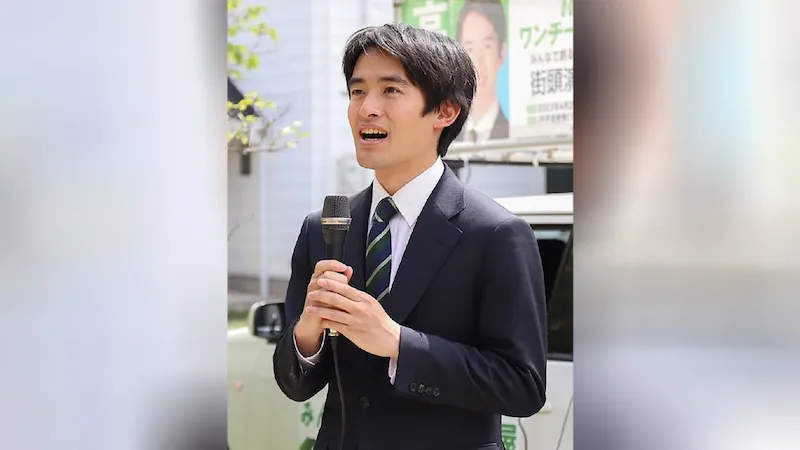
One of the most notable is Ryosuke Takashima, who at 26 years old is Japan's youngest-ever mayor, according to Japanese public broadcaster NHK. A recent graduate of Harvard University, where he earned his bachelor's degree in environmental engineering, Takashima has pledged to focus on green infrastructure planning, creating more public spaces and parks, as well as reforms in education, childcare and youth healthcare.
Another young politician shaking up the status quo is 26-year-old YouTuber "Shin the Hiratsuka YouTuber", who ran his campaign for Hiratsuka City Council and won. Shin, who also runs a Pokemon card store, is best known for his YouTube channel, where he makes videos about local shops and events in the city. His campaign focused on childcare issues, highlighting the need for greater support for parents and work-life balance, as well as supporting the elderly, as Japan's population rapidly ages and its workforce shrinks.
Ayaka Nasuno, 25, is another Gen Z politician making her debut after winning the highest share of votes for the Kawasaki City Council earlier this month. After being bullied as a child, Nasuno decided to "create her own community" by organising a local trash cleanup effort, which is how she began working with constituents and local resources. Her platform focuses on improving public safety, education and welfare, and promoting diversity and inclusivity.
34-year-old Arfiya Eri is another notable figure, whose parents are Uyghur and Uzbek, and who has advocated for greater women's rights and gender equality. Her election to Japan's Lower House makes her the first woman of Uyghur descent to be elected to any parliament in the world, according to the World Uyghur Congress. Eri was born in Japan but moved to China as a child, before studying at Georgetown University in the US and working for the United Nations. She has spoken out against the human rights violations committed against Uyghurs in China, and has also highlighted the need for Japan to address gender inequality and the unequal burden of housework and childcare on women.
Overall, these young politicians offer a fresh perspective on Japan's political and societal issues, and their diverse backgrounds and experiences could bring about positive change for the country's future. Their election sends a message to the world that Japan is moving forward and embracing new voices and ideas.