


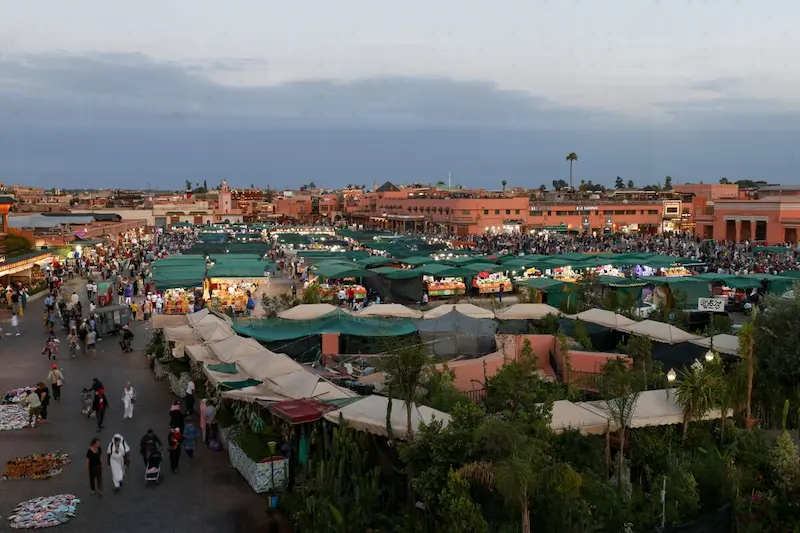


In a strategic move to boost its tourism industry, Morocco is gearing up to co-host the FIFA World Cup in 2030, envisioning an impressive 80% increase in tourist numbers by the end of the decade. This ambitious target aims to elevate the annual visitor count to at least 26 million by 2030, a significant rise from the 14.5 million recorded in 2023, as stated by Fatim-Zahra Ammor, the Minister of Tourism and Handicrafts in a recent interview with Bloomberg.
The economic importance of this tourism surge cannot be understated, especially as Morocco continues its recovery efforts from a devastating earthquake that struck the country last year. By aligning itself as a co-host of the prestigious football tournament alongside Spain and Portugal, Morocco sees this partnership as a gateway to propelling its tourism sector forward. Minister Ammor describes the World Cup co-hosting as "a formidable opportunity" to drive tourism growth and capitalize on the influx of global visitors expected during the event.
Meeting these new tourism objectives presents a significant challenge, one that requires the establishment of a comprehensive and integrated ecosystem to ensure successful implementation. Morocco has already taken steps to enhance its air connectivity by doubling the number of foreign flights serving the country and securing a partnership with Ryanair Holdings Plc. This collaboration is anticipated to significantly boost tourist numbers, with projections indicating a potential increase in tourists arriving in Morocco via Ryanair to 10 million by 2027.
Looking ahead, Moroccan authorities are in discussions with various airlines to further scale up their tourism ambitions for 2030. Plans are also in motion to expand the national accommodation capacity in preparation for hosting the 2025 African Cup of Nations and the upcoming World Cup. To accommodate the expected surge in visitors, Morocco aims to add 150,000 additional beds through either the renovation of existing facilities or the development of new projects.
Alongside these infrastructural developments, Morocco has implemented a new investment charter to attract a diverse range of investors. This initiative has generated interest from investors previously unengaged with the Moroccan market, signaling a new era of growth and opportunity in the country's tourism sector. Additionally, the government is spearheading 14 large-scale projects to further enhance the tourism landscape, including the establishment of amusement parks, hot air balloon sites, and natural park resorts, to cater to the evolving interests of visitors.
As Morocco charts its path towards becoming a premier tourist destination, the collective efforts to bolster its tourism sector through initiatives like the World Cup co-hosting, enhanced air connectivity, and infrastructural expansions position the country for a prosperous future in the global tourism landscape.