


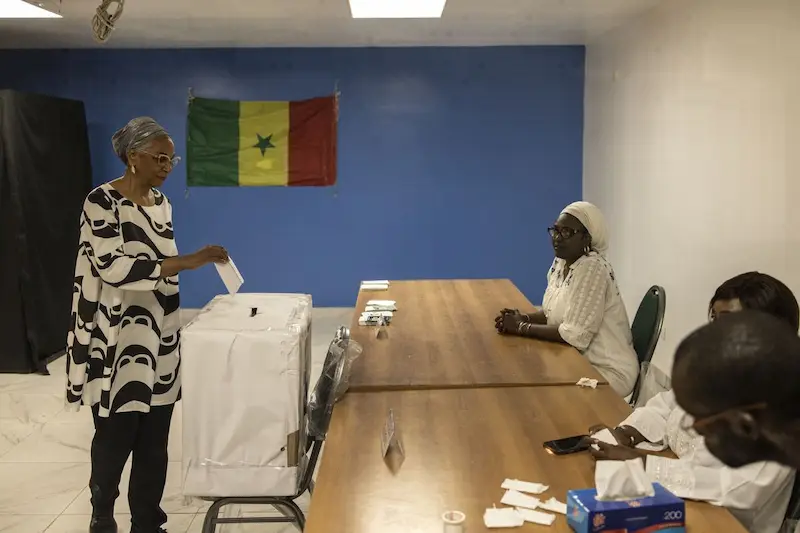


Following weeks of political unrest in Senegal, a group of political, religious, and civic leaders have come together to propose holding presidential elections in June. The recommendation, which emerged after intensive discussions in Dakar, aims to bring stability to the West African nation after President Macky Sall's second term is set to conclude on April 2. While Sall has expressed his intention to step down at the end of his mandate, the proposed June 2 election date would give the country a clear path forward.
The initial presidential election was slated for February 25, but Sall decided to postpone it, citing the need to address tensions surrounding the verification of presidential candidates. Despite the approval of a constitutional amendment by lawmakers to facilitate the delay, the move triggered violent protests. Subsequently, the Constitutional Council declared the amendment unlawful, adding another layer of complexity to the electoral process.
In light of the escalating political crisis, Sall called for talks to forge a way ahead. However, the discussions were marred by the absence of 17 out of 19 presidential candidates, who opted to file a complaint against the president at the council. In response, the council emphasized the urgency of holding elections promptly, although it did not specify a particular date.
According to Senegal's constitution, if the presidency becomes vacant, the position is assumed by the parliamentary speaker, and new elections must be conducted within 90 days. The country's legal framework mandates a three-week campaign period and requires the vote to be held at least one month before the incumbent president's term concludes. As such, the proposal to hold elections on June 2 aims to adhere to these constitutional stipulations while navigating the current political challenges in Senegal.