


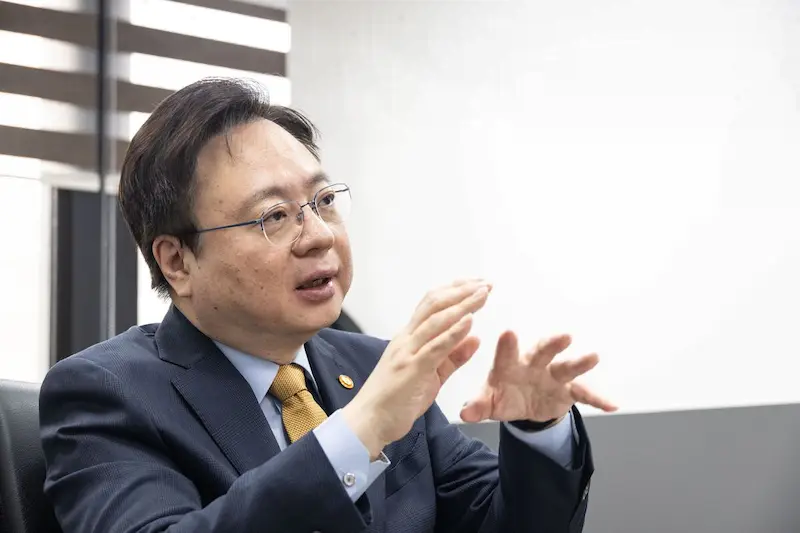


Amidst a standoff between doctors and the government in South Korea, the nation's health minister, Cho KyooHong, has revealed a comprehensive contingency plan to tackle the prolonged walkout by trainee doctors. The walkout, triggered by a plan to increase medical school enrollment, has disrupted the delivery of healthcare services and poses significant challenges to the healthcare system. Cho stated that the country is prepared for a worst-case scenario where a large number of trainee doctors do not return to work but did not disclose specific details of the plan.
As the impasse between doctors and the government continues, the situation shows no signs of immediate resolution. In response to the gaps created by the walkout, the government has implemented measures such as opening up military hospital emergency rooms to the public, promoting nationwide telemedicine, and encouraging the public to seek treatment at local clinics for minor illnesses. Despite mounting pressure, Cho emphasized that the government remains firm on its decision to increase annual enrollment at medical schools by 2,000 to address the severe shortage of doctors in the aging nation.
The contentious issue has led to approximately 7,000 trainee doctors out of 13,000 staying away from their duties, entering the third week of their labor action. Cho urged the doctors to end their strike, highlighting that the public also demands a resolution to the ongoing crisis. The government's proposal to increase medical school enrollment aims to tackle the long-standing issues of physician scarcity in certain specialties, uneven distribution of doctors in urban areas, and challenges posed by the existing malpractice system.
In response to the doctors' concerns, the Korean Medical Association has pointed out that the impact of increased enrollments in medical schools would not be felt for at least a decade. The association asserted that the protest is not solely about financial incentives but is rather about safeguarding the future of healthcare in the country. President Yoon Suk Yeol's administration, on the other hand, has issued warnings of disciplinary actions against doctors participating in what it deems an illegal strike, further escalating tensions.
The government has received plans from universities to raise enrollment slots by nearly 3,400, with a focus on regions underserved by healthcare professionals. South Korea's medical education policies have come under scrutiny as the country ranks poorly in medical school graduates per capita among OECD members. Public sentiment appears to favor the government's reform agenda as a means to reduce waiting times for medical services. Furthermore, concerns have been raised about the potential motives behind the labor action, with some questioning if it is primarily driven by financial considerations rather than genuine concerns for improving the healthcare system.
While acknowledging the possibility of adjusting medical school slots in response to future population declines, Cho emphasized the importance of upholding government policies to maintain credibility. President Yoon's approval ratings have seen an uptick, indicating broad support for his stance on the issue. As the political landscape gears up for upcoming elections, the outcome of this dispute could have significant implications for South Korea's healthcare system and the broader political landscape. Cho affirmed that unlike previous instances, the government will not back down, signaling a determination to see through the proposed reforms despite the challenges posed by the ongoing protest.