


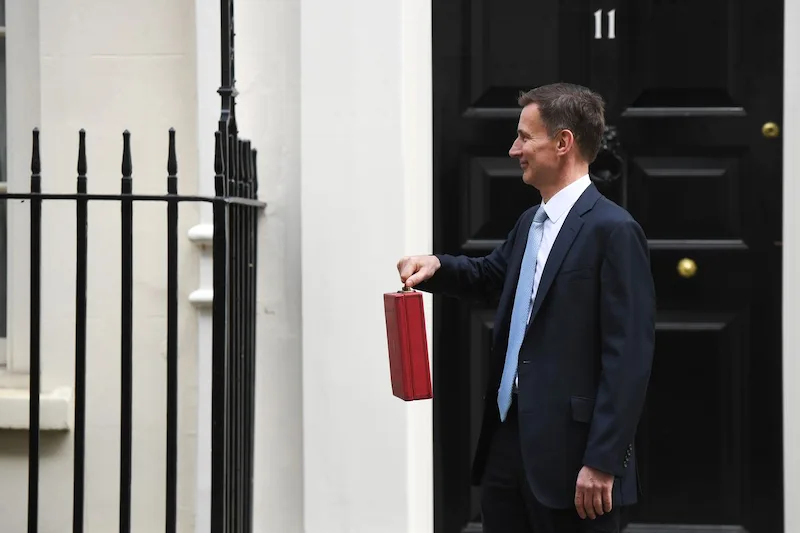


Following Jeremy Hunt's recent budget announcement, the Conservative Party appears convinced that an election is not on the immediate horizon. Hunt's budget, while lacking surprises, did prompt confusion over a proposal to scrap a significant payroll tax. Government officials now anticipate another fiscal event later in the year, possibly featuring tax cuts fueled by lower inflation and potential interest rate reductions.
While rumors persist about a potential snap election in May, most Tories are skeptical of this idea, particularly with recent polling showing a substantial lead for the Labour Party. With the possibility of an election being pushed further back, questions arise among Conservative lawmakers about whether the premier and chancellor have any strategic moves left that could prevent a defeat.
Allies of Sunak suggest that the government shares a view that Britons face an unfair tax burden on work from both income tax and national insurance. Plans for the manifesto reportedly include a long-term goal of abolishing national insurance entirely, with immediate cuts to income tax also under consideration.
The Tories aim to leverage these proposed tax cuts to create an economic divide with Labour, positioning themselves as advocates for lower taxes and a smaller state. Despite the potential for the UK tax burden to hit its highest level since 1948, the Conservative strategy appears focused on contrasting their tax policies with those of the opposition party.
While Sunak's intention had been to hold the election later in the year, hopes remain for a shift in public sentiment before then. Detailed work on manifesto policies is said to be in early stages, with a potential election timeline tentatively set for autumn, though a July election is not entirely ruled out.
Critics within the Tory party have labeled the tax-cut strategy as a last-ditch effort to prevent a Labour majority, rather than a coherent plan to appeal to swing voters. Some MPs express concerns over the impact of the budget on pensioners, a core Conservative demographic. Labour officials see an opportunity in emphasizing the potential pitfalls of tax cuts and redirecting focus to past Tory failures.
Amidst internal skepticism and calls for a more compelling voter pitch, suggestions have been made to replace Hunt with a fresh face like Energy Secretary Claire Coutinho. However, doubts linger over Coutinho's public recognition and the potential benefits of such a move beyond supporting a Sunak ally.
Overall, the prevailing sentiment within the Conservative Party is one of resignation, as MPs acknowledge that no single policy maneuver is likely to reverse the current political landscape. While Sunak may be biding his time, voters are increasingly eager for change, suggesting that any election strategy will need to be carefully crafted to resonate with a weary electorate.