


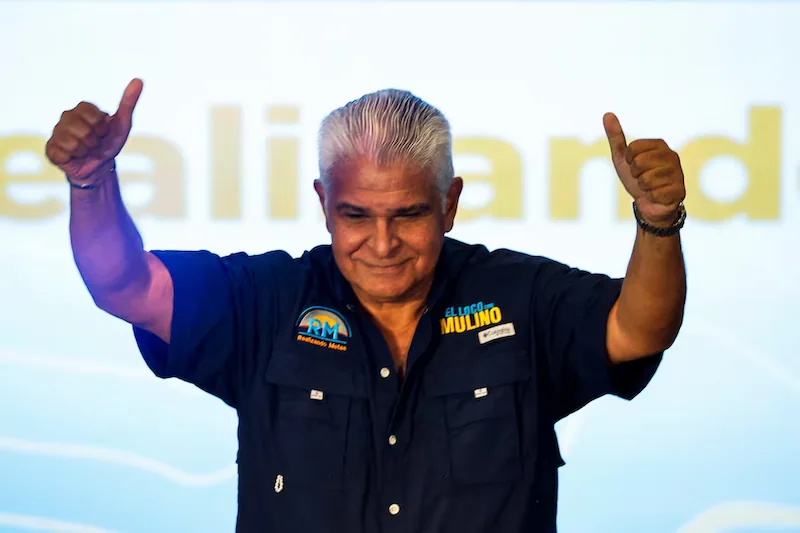


In a surprising turn of events, Jose Raul Mulino secured victory in Panama's presidential election with overwhelming support from voters, marking a stunning political comeback. The former security minister stepped in to replace his ally, ex-president Ricardo Martinelli, on the ballot after Martinelli was disqualified due to a money laundering conviction. Despite facing criticism as a potential puppet of Martinelli, Mulino emerged triumphant, garnering about 34% of the vote in a closely contested race.
Throughout the campaign, Martinelli played a crucial role in rallying support for Mulino from Nicaragua's embassy in Panama, where he sought asylum. This unique dynamic added a layer of complexity to the electoral process, with many viewing Mulino as a proxy for the popular former president. The duo's unconventional collaboration raised eyebrows but ultimately proved successful in securing Mulino's victory.
As Panama's president-elect, Mulino faces a range of pressing challenges, including economic stabilization, corruption crackdown, and rebuilding public trust in the government. His pro-business stance and promises of infrastructure investment signal a proactive approach to revitalizing the country's economy and creating opportunities for growth. Additionally, Mulino has pledged to address social issues, such as income inequality and public security, to improve the overall well-being of Panamanians.
One of Mulino's immediate tasks will be resolving the controversy surrounding the Cobre Panama mine, a key economic asset that was shut down following a legal dispute with a Canadian mining company. The outcome of this dispute will have significant implications for Panama's economic outlook and the handling of foreign investments in the country. Furthermore, Mulino will need to navigate challenges related to the pension fund system, public debt management, and environmental concerns highlighted by recent protests.
Amidst these complex issues, Mulino's leadership will be closely scrutinized for his ability to deliver on campaign promises and enact meaningful reforms. The new administration's handling of the Panama Canal, migration policies, and governance transparency will also be closely monitored by both domestic and international stakeholders. As Panama prepares for a new chapter under Mulino's leadership, the nation looks towards a future characterized by progress, stability, and inclusive governance.