


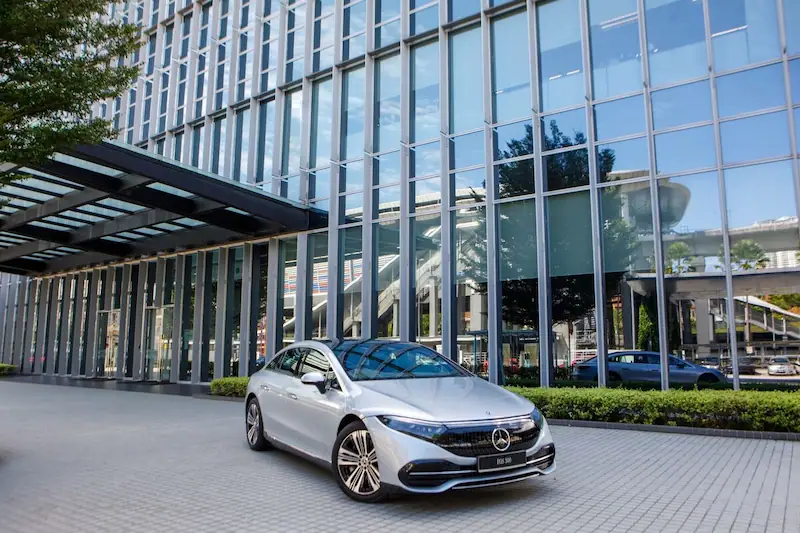


Mercedes-Benz Group AG, a renowned luxury car manufacturer, is reassessing its ambitious electric-vehicle goals in light of recent market trends. CEO Ola Källenius is expected to address shareholders at the annual general meeting with a revised strategy, acknowledging that the transition to electric vehicles may take longer than initially anticipated. The company, famous for its high-end combustion-engine and hybrid vehicles, now plans to continue producing these models "well into the 2030s" if there is demand.
This shift in focus comes as Mercedes-Benz faces disappointing sales of its electric models, such as the EQS and EQE sedans. The company's first-quarter margin dropped to its lowest level in over two years, prompting a reevaluation of its electric vehicle strategy. While Mercedes-Benz had aimed to go fully electric by the end of the decade, the current market conditions have led to a reevaluation of their timeline and priorities.
The challenges in the electric vehicle market are not unique to Mercedes-Benz, as other automakers are also experiencing a slowdown in demand. Government subsidies for electric vehicles have been reduced, and concerns about charging infrastructure continue to deter potential buyers. However, Mercedes-Benz appears to be lagging behind its luxury rivals in the electric vehicle space, with BMW reporting a significant increase in sales of fully electric vehicles in the same period.
The company's revised goals mark a significant departure from its previous strategy, which emphasized top-end electric models as a means to increase profits. The plan to boost sales of high-end cars like the AMG performance models, Maybach luxury line, G-Wagon SUV, and EQS by 60% by 2026 is now facing challenges amidst changing market dynamics. Despite these setbacks, Mercedes-Benz is confident in the appeal of its legacy products, particularly in markets like China where demand for combustion-engine vehicles remains strong.
While sticking with conventional engines may provide short-term benefits in terms of profitability, some analysts warn that it could hinder long-term growth and shareholder returns. The decision to prolong investments in both combustion-engine and electric vehicle technologies may divert resources from more sustainable initiatives, impacting the company's margins and dividends. However, Mercedes-Benz remains committed to its strategy of focusing on its core strengths to differentiate itself in a competitive market landscape.
In conclusion, Mercedes-Benz's shift away from its ambitious electric-vehicle goals highlights the challenges and complexities of transitioning to a more sustainable future in the automotive industry. By balancing its investments in combustion-engine and electric technologies, the company aims to navigate the evolving market dynamics while maintaining its position as a leader in luxury car manufacturing.