


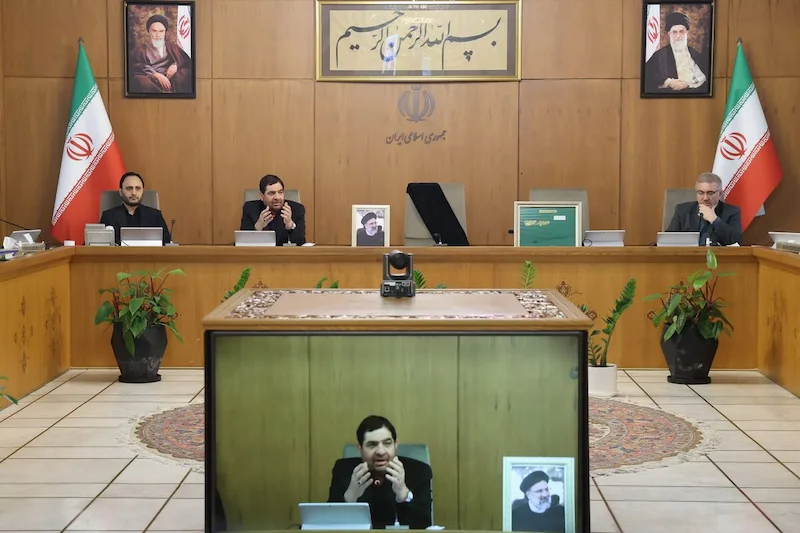


Iran is set to hold presidential elections on June 28, after the untimely death of Ebrahim Raisi in a helicopter crash. Vice President Mohammad Mokhber will step in as interim president in accordance with the country's constitution. Raisi, along with eight others, tragically lost their lives in a helicopter accident in north-western Iran, reportedly due to adverse weather conditions and dense fog.
Candidates will have the opportunity to register from May 30, with the 12-member Guardian Council responsible for vetting individuals. The Guardian Council, comprised of clerics and jurists, plays a crucial role in administering elections and ensuring the candidates meet the necessary criteria.
While it remains uncertain if Mokhber will run for the presidency himself, many anticipate that Iran's clerical establishment and Supreme Leader Ayatollah Ali Khamenei will seek a successor similar to Raisi. Raisi, an ultraconservative cleric known for his deep distrust of the US and Israel, was a polarizing figure in Iran. The Guardian Council's historically stringent vetting process has often posed challenges for reformist candidates seeking to contest elections.
Raisi's legacy is marked by controversy, with critics linking him to the mass arrests and executions that followed widespread protests in 2022. The protests erupted following the tragic death of Mahsa Amini, a young woman detained for allegedly violating Iran's strict dress code. As the nation navigates this period of transition, all eyes are on the upcoming elections and the potential impact on Iran's political landscape.