


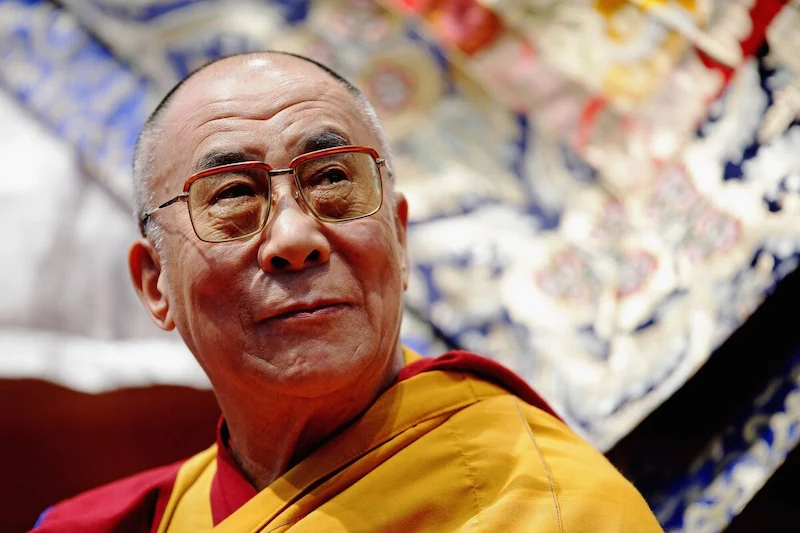


In a recent meeting with reporters in Dharamshala, the Dalai Lama, at 88 years old, expressed that he is currently focused on using his remaining time to help as many people as possible, rather than deliberating on his eventual reincarnation. This statement has further fueled speculation and uncertainty surrounding who will succeed the revered Tibetan monk, especially as China continues to assert its influence over the region.
The issue of the Dalai Lama's succession is a sensitive and complex one, with China seeking to control the process in order to further its grip on Tibet. As tensions between China and Tibet remain high, the future leadership of the Tibetan community hangs in the balance.
Having fled to India after the annexation of Tibet by China in the 1950s, the Dalai Lama and other Tibetan monks have since lived as refugees, advocating for autonomy for the region. The selection of the Dalai Lama's reincarnation traditionally involves a detailed and secretive process, with the current Dalai Lama choosing to keep his plans confidential.
In the West, support for the Dalai Lama remains strong, with US lawmakers and allies pressing China to engage in dialogue and respect Tibetan autonomy. The US government, in a symbolic move, recognized the Dalai Lama as the final authority on his reincarnation in 2020, signaling its stance against China's interference in Tibetan affairs.
China, however, stands firm on its right to oversee the selection of the next Dalai Lama, issuing orders to prevent any foreign influence in the process. The Chinese government's involvement in the selection of the Panchen Lama, the second most prominent figure in Tibetan Buddhism, serves as a cautionary tale of the power struggles at play in the region.
As discussions around the Dalai Lama's succession continue, the uncertainty and complexity of the situation persist, leaving Tibetan Buddhists and supporters around the world bracing for what the future may hold for the spiritual leadership of Tibet.